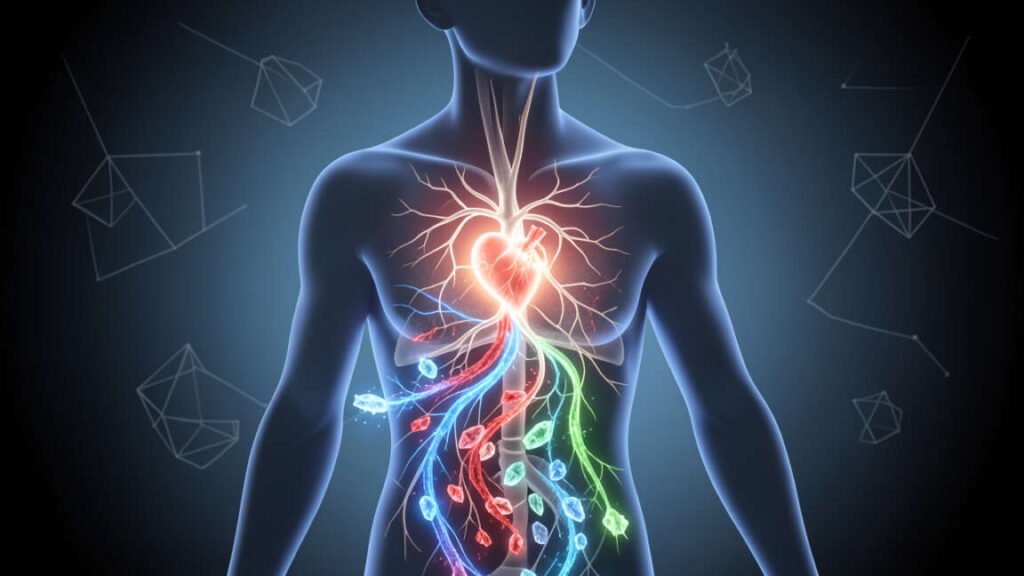
Minerals are essential inorganic nutrients the body cannot produce itself, obtained from food and water to support critical functions like bone structure, nerve signaling, and fluid balance. They are categorized into major minerals, needed in larger amounts such as calcium and potassium, and trace minerals required in smaller quantities like iron and zinc. A balanced diet rich in diverse whole foods is the most reliable method to ensure sufficient intake for overall health and to prevent deficiencies.
Minerals are inorganic nutrients that play a fundamental role in keeping your body functioning correctly. They are essential building blocks for everything from strong bones to proper nerve signals, yet many people don’t get enough from their diet.
This post will explain what minerals are, the critical jobs they do, the different types your body requires, and the best food sources to ensure you meet your daily needs. Understanding these micronutrients is the first step toward better health and energy.
Simply put, minerals are essential nutrients your body cannot make on its own. You must obtain them from food and water to support bone health, fluid balance, nerve function, and hundreds of chemical reactions that keep you alive and well.
Key Takeaways
- Minerals are inorganic elements from the earth that your body uses for structural and functional roles.
- They are classified as major minerals (like calcium and potassium) and trace minerals (like iron and zinc), based on the amount needed.
- A balanced diet rich in fruits, vegetables, lean proteins, and whole grains is the best way to get necessary minerals.
- Severe deficiencies can lead to serious health issues, from anemia to osteoporosis.
- While supplements can help in specific cases, it’s generally best to prioritize mineral-rich foods first.
What Is a Mineral?
A mineral is a naturally occurring, inorganic solid with a definite chemical composition and crystalline structure. In nutrition, we refer to the dietary minerals the human body needs to stay healthy. Unlike vitamins, which are organic compounds made by plants and animals, minerals come from the soil and water and are absorbed by plants or consumed by animals.
When you eat plants or animals that have absorbed minerals from the environment, you take in those minerals yourself. They pass through your digestive system in various forms and are absorbed into your bloodstream to be used or stored.
Organic vs. Inorganic Nutrients
This distinction is key to understanding what makes minerals unique. Vitamins are organic because they contain carbon-hydrogen bonds and are produced by living things. Minerals are inorganic, meaning they do not contain carbon-hydrogen bonds and retain their chemical structure even when cooked or processed.
- Organic Nutrients: Vitamins, fats, proteins, carbohydrates. Sourced from living matter.
- Inorganic Nutrients: Minerals and water. Sourced from non-living matter like soil and rock.
How Do Minerals Work in the Body?
Minerals act as cofactors and building blocks. They enable essential chemical reactions, form the structural matrix of tissues, and help regulate body processes. Your body uses minerals in incredibly diverse ways, from forming teeth to transmitting nerve impulses.
The process starts with absorption in the gut. The bioavailability of a mineral—how much your body can actually use—depends on the food source and your individual health. For example, vitamin C from an orange can help your body absorb iron from a plant-based food.
Key Functional Categories of Minerals
Minerals perform jobs that can be grouped into several critical categories. Understanding these helps you see why a deficiency in even one mineral can cause widespread problems.
| Function Category | Examples of Minerals | What It Does |
|---|---|---|
| Structural Support | Calcium, Phosphorus, Magnesium | Builds and maintains bones and teeth. |
| Fluid Balance | Sodium, Potassium, Chloride | Regulates hydration and blood pressure. |
| Nerve Transmission | Sodium, Potassium, Calcium | Helps send electrical signals through nerves. |
| Enzyme Function | Zinc, Magnesium, Iron | Cofactors that power thousands of chemical reactions. |
| Oxygen Transport | Iron | A core component of hemoglobin in red blood cells. |
This table illustrates just a snapshot of mineral roles. Many minerals, like calcium and potassium, appear in multiple categories, showing their multifunctional importance.
What Are the Two Main Types of Minerals?
Dietary minerals are divided into two primary groups based on the quantity your body requires. This classification is purely about quantity, not importance. Both types are absolutely vital for survival.
- Major (Macrominerals): These are needed in amounts greater than 100 milligrams per day. They make up about 4% of your body weight. The key major minerals are calcium, phosphorus, magnesium, sodium, potassium, chloride, and sulfur.
- Trace (Microminerals): These are needed in smaller amounts, typically less than 100 milligrams per day. However, they are no less critical. Essential trace minerals include iron, zinc, copper, manganese, iodine, selenium, fluoride, and chromium.
A Closer Look at Major Minerals
Major minerals often work in pairs to maintain balance. Sodium and potassium are a classic duo that regulate fluid balance and nerve function. Calcium and phosphorus team up to build your skeleton.
The body carefully controls the levels of these minerals, and significant imbalances can be dangerous.
- Calcium: 99% is stored in bones and teeth. Vital for muscle contraction and blood clotting.
- Phosphorus: Works with calcium for bones. Also key for making ATP, the body’s energy currency.
- Magnesium: Involved in over 300 enzyme reactions, including muscle and nerve function.
- Sodium, Potassium, Chloride: The electrolytes that manage hydration, nerve signals, and pH balance.
Understanding Trace Minerals
Trace minerals act like keys that unlock specific bodily functions. Even a tiny deficiency can cause major issues. For example, a lack of iodine leads to thyroid problems, while insufficient iron causes anemia and fatigue.
Tip: Trace minerals are often found in seafood, nuts, seeds, and whole grains. Eating a varied diet is the best way to ensure you get a wide spectrum of these micronutrients.
Which Minerals Are Most Important for Health?
While all minerals are important, some are more commonly linked to deficiency or are involved in particularly widespread body functions. Focusing on these in your diet can have a big impact on your overall well-being.
Calcium: The Bone Builder
Calcium is the most abundant mineral in the human body. About 99% resides in your bones and teeth, providing structure and hardness. The remaining 1% is in your blood and soft tissues, where it’s essential for muscle contractions (including your heartbeat), nerve signaling, and blood clotting.
If your blood calcium drops too low, your body will pull it from your bones to restore balance, weakening them over time. This is why adequate intake throughout life is critical.
- Top Food Sources: Dairy products (milk, yogurt, cheese), fortified plant milks, leafy greens (kale, collards), tofu, and sardines.
- Daily Need: Varies by age, but generally 1,000-1,200 mg for adults.
Iron: The Oxygen Carrier
Iron is a central part of hemoglobin, the protein in red blood cells that transports oxygen from your lungs to every tissue in your body. Without enough iron, your body can’t make enough healthy red blood cells, leading to iron-deficiency anemia. Symptoms include profound fatigue, weakness, and difficulty concentrating.
There are two types of dietary iron, with very different absorption rates.
- Heme Iron: Found in animal foods like red meat, poultry, and fish. It is absorbed very efficiently (15-35%).
- Non-Heme Iron: Found in plant foods like beans, spinach, and fortified cereals. It is absorbed less efficiently (2-20%).
| Mineral | Primary Role | Key Deficiency Symptoms | Excellent Food Sources |
|---|---|---|---|
| Potassium | Fluid balance, nerve signals, muscle contractions. | Muscle cramps, weakness, heart palpitations. | Bananas, potatoes, spinach, beans, avocados. |
| Zinc | Immune function, wound healing, DNA synthesis. | Slow wound healing, frequent infections, loss of taste. | Oysters, red meat, poultry, beans, nuts. |
| Iodine | Thyroid hormone production, metabolism regulation. | Goiter (enlarged thyroid), fatigue, weight gain. | Iodized salt, seaweed, dairy, shrimp. |
This table highlights how specific minerals are non-negotiable for key systems. A varied diet usually covers these bases, but awareness helps you make intentional choices.
Why Does Your Body Need These Minerals?
Every single bodily function depends on a precise balance of minerals. They are not just supporting actors; they are lead roles in the drama of human health. Here are the core reasons your body is constantly demanding these nutrients.
Building and Repairing Tissues
Your body is in a constant state of renewal. Minerals like calcium, phosphorus, magnesium, and zinc are the literal materials used to build new bone tissue, repair muscle after exercise, and heal wounds. Without them, the rebuilding process stalls.
Regulating Body Processes
Minerals act as messengers and regulators. Electrolytes (sodium, potassium, chloride) control the movement of water in and out of cells, which is essential for everything from preventing dehydration to maintaining blood pressure. Others, like calcium, are triggers for critical events like muscle contraction.
Enabling Energy Production
The creation of energy from food requires a team of minerals. Magnesium is necessary for the final step of producing ATP (adenosine triphosphate), the cell’s energy packet. Iron is needed for the oxygen that fuels this energy production in your cells.
Warning: Never take high-dose mineral supplements without professional guidance. Minerals can interact with each other and with medications. Excess intake of certain minerals (like iron or calcium) can be toxic and cause serious organ damage.
What Foods Provide the Best Minerals?
The most effective strategy for meeting your mineral needs is eating a diverse, whole-foods-based diet. Different foods offer different mineral profiles, so variety is key. Processed foods are often stripped of minerals and high in sodium, which can disrupt mineral balance.
A Mineral-Rich Eating Pattern
Instead of focusing on single nutrients, aim for a pattern of eating that naturally includes mineral powerhouses. This often aligns with recommendations for heart and gut health as well.
- Prioritize Vegetables and Fruits: Leafy greens (spinach, kale) are packed with magnesium, calcium, and potassium. Root vegetables provide potassium and phosphorus. Fruits, especially bananas and citrus, contribute potassium.
- Include Lean Proteins: Fish provides iodine, selenium, and zinc. Poultry and eggs offer phosphorus and selenium. Red meat is a top source of heme iron and zinc.
- Choose Whole Grains and Legumes: These are excellent sources of magnesium, phosphorus, zinc, and non-heme iron. Beans and lentils also add potassium.
- Don’t Forget Dairy or Fortified Alternatives: Milk and yogurt are classic sources of calcium and phosphorus. Fortified plant milks and cereals are crucial for those on vegan diets.
- Incorporate Nuts and Seeds: A handful of nuts or seeds (pumpkin, sunflower) is a fantastic way to get magnesium, zinc, and selenium.
How to Ensure You Get Enough Minerals
Being proactive about your mineral intake is a wise investment in long-term health. While a balanced diet is primary, there are practical steps you can take to optimize absorption and meet your needs.
Strategic Food Pairing
You can enhance mineral absorption by pairing foods intelligently. Vitamin C significantly boosts the absorption of non-heme iron. A simple squeeze of lemon juice on spinach or a side of bell peppers with beans can make a big difference.
Conversely, some compounds inhibit absorption. Tannins in coffee and tea can reduce iron uptake. Calcium can interfere with iron absorption if taken in very high doses at the same meal.
Spacing these foods apart can help.
Consider Supplementation Wisely
Supplements have a place, but they are not a substitute for a healthy diet. They are most appropriate for specific situations:
- Documented deficiencies confirmed by blood tests.
- Restrictive diets (like a long-term vegan diet requiring B12, and possibly iron and zinc consideration).
- Life stages with increased needs, such as pregnancy (increased iron and calcium needs).
- Medical conditions that impair absorption (e.g., celiac disease, Crohn’s disease).
Important: Always talk to your doctor or a registered dietitian before starting any mineral supplement. They can assess your individual needs and recommend the correct type and dosage based on your health status and blood work.
What Happens If You Don’t Get Enough Minerals?
Mineral deficiencies, even mild ones, can have significant effects on your daily life and long-term health. The symptoms are often nonspecific, like fatigue or low mood, which can make them hard to trace back to a mineral issue without testing.
Common Deficiency Conditions
Prolonged lack of key minerals leads to well-defined medical conditions. Public health initiatives, like salt iodization, have been successful in preventing severe deficiencies like goiter in many parts of the world.
- Iron-Deficiency Anemia: The most common nutritional deficiency worldwide. Causes severe tiredness, pallor, and shortness of breath.
- Osteoporosis: A condition of weak, brittle bones resulting from long-term inadequate calcium, phosphorus, and vitamin D intake.
- Electrolyte Imbalances: Can cause dehydration, muscle cramps, and in severe cases, dangerous heart rhythm problems.
- Iodine Deficiency Disorders: Range from an enlarged thyroid (goiter) to severe cognitive impairments in infants (cretinism) if the mother is deficient during pregnancy.
Populations at Higher Risk
While anyone can become deficient, some groups need to be especially vigilant. Athletes may lose minerals through sweat. Older adults may have reduced absorption.
Vegans must carefully plan to get iron, zinc, calcium, and iodine from plant sources.
Frequently Asked Questions
Can I get too many minerals?
Yes, it is possible to consume excessive amounts of minerals, particularly through supplements, leading to toxicity. High intake of calcium can cause kidney stones and impair absorption of other minerals like iron and zinc. Excess iron can damage the liver and heart.
Always follow recommended dietary allowances and consult a professional before taking high-dose supplements.
Do cooking and processing affect mineral content?
Minerals are generally stable to heat and don’t break down during cooking. However, they can leach out into cooking water. For example, boiling vegetables in a large amount of water causes minerals to transfer to the water.
Using less water for cooking, or consuming the cooking liquid (like in soups), helps retain these nutrients.
Are mineral supplements as good as getting them from food?
For most healthy people, minerals from whole foods are preferred. Food provides a complex matrix of nutrients, fiber, and other compounds that work together for better absorption and overall health. Supplements are useful for correcting deficiencies or filling specific gaps but cannot replicate all the benefits of a healthy diet.
How does water contribute to mineral intake?
Drinking water, especially mineral water or naturally sourced water, can be a significant source of minerals like calcium, magnesium, and potassium. The amount varies greatly by the water’s source. Tap water often has added fluoride for dental health, which is another essential trace mineral.
Why are electrolytes considered minerals?
Electrolytes are minerals that carry an electric charge when dissolved in body fluids like blood. Sodium, potassium, chloride, calcium, and magnesium are the key electrolyte minerals. They are critical for conducting nerve impulses, maintaining fluid balance, and supporting muscle function.
This is why replenishing them during intense exercise or illness is important.
Final Thoughts
Minerals are silent workhorses of human biology, building our skeletons, powering our nerves, and facilitating every breath we take. Prioritizing a diverse diet rich in plants, lean proteins, and whole foods is the most reliable way to supply your body with these essential inorganic nutrients. Pay attention to key players like calcium, iron, and potassium, and consider talking to a healthcare provider if you suspect your intake might be low. Investing in your mineral intake today builds a foundation for lifelong vitality and health.