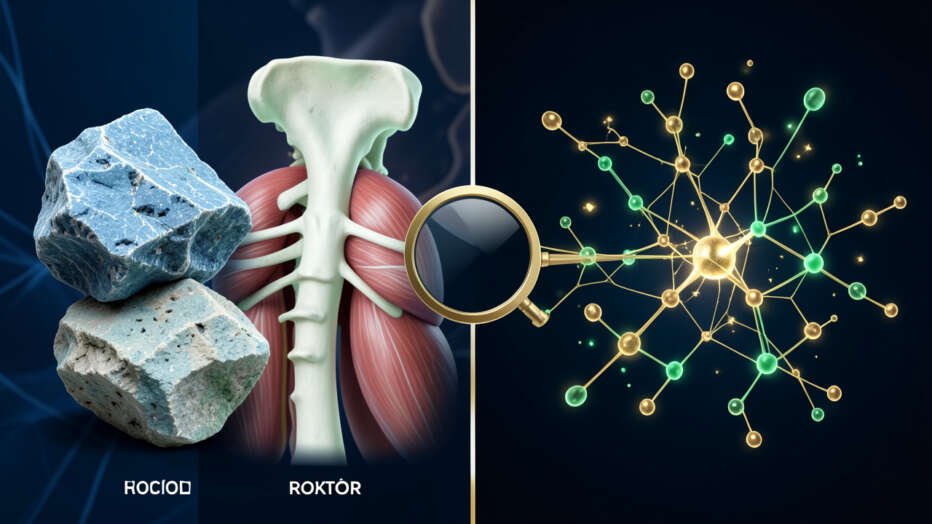
Major minerals like calcium and potassium are required by the body in larger amounts, while trace minerals such as iron and zinc are needed in smaller quantities but are equally essential. Both types support critical bodily functions, including bone health, immune response, and enzymatic processes, with major minerals often regulating fluid balance and trace minerals aiding in oxygen transport and antioxidant defense. To avoid deficiencies, it is important to consume a varied diet rich in foods like dairy, leafy greens, nuts, and lean meats, ensuring adequate intake of both mineral categories for optimal health.
Major minerals and trace minerals are both essential for your health, but they serve different roles in the body. Understanding the difference helps you ensure you’re getting the right nutrients from your diet. This post breaks down what makes them unique and why you need both.
Simply put, major minerals are needed in larger amounts (over 100 milligrams daily) and include calcium, potassium, and sodium. Trace minerals are required in much smaller amounts (under 100 milligrams) but are just as vital, like iron, zinc, and selenium. Both groups are crucial for everything from bone health to immune function.
Key Takeaways
- Major minerals are required by the body in larger quantities, typically more than 100 mg per day, and include calcium, phosphorus, magnesium, sodium, potassium, chloride, and sulfur.
- Trace minerals are needed in very small amounts, less than 100 mg daily, but their absence can cause significant health issues; common examples are iron, zinc, copper, iodine, selenium, manganese, and fluoride.
- The primary difference between major and trace minerals lies in the quantity your body requires, not their importance.
- Both types of minerals are essential for critical bodily functions like nerve transmission, muscle contraction, hydration, and building strong bones.
- A balanced diet rich in fruits, vegetables, proteins, and whole grains is typically sufficient to meet your needs for both major and trace minerals.
What Is the Exact Difference Between Major and Trace Minerals?
The classification of minerals as “major” or “trace” is based solely on the amount your body needs each day. This is a quantitative distinction, not a qualitative one regarding their importance. Both are inorganic nutrients that must come from your diet because your body cannot produce them.
Major minerals, sometimes called macrominerals, are needed in amounts ranging from about 100 milligrams to several grams daily. They are called “major” because you require larger quantities of them. Trace minerals, or microminerals, are needed in amounts less than 100 milligrams per day, often just milligrams or even micrograms.
| Feature | Major Minerals | Trace Minerals |
|---|---|---|
| Daily Requirement | Greater than 100 mg | Less than 100 mg |
| Body Store | Often stored in bones and soft tissues | Typically not stored in large amounts; excess is excreted |
| Key Examples | Calcium, Potassium, Sodium | Iron, Zinc, Iodine |
| Primary Roles | Bone structure, fluid balance, nerve function | Enzyme function, hormone production, antioxidant defense |
This table summarizes the core differences. It’s crucial to remember that a trace mineral deficiency can be just as dangerous as a major mineral deficiency, even though you need less of it.
What Are the Main Roles of Major Minerals in the Body?
Major minerals perform large-scale, structural, and regulatory functions. They are the foundation for many physical structures and fundamental processes. Here’s a breakdown of their primary jobs.
- Calcium: Builds and maintains strong bones and teeth. It’s also critical for muscle contraction, nerve signaling, and blood clotting.
- Phosphorus: Works with calcium to form bones and teeth. It’s a key component of ATP, the body’s energy currency, and DNA/RNA.
- Magnesium: Involved in over 300 enzyme reactions, including energy production, muscle and nerve function, and blood glucose control.
- Sodium, Potassium, and Chloride: These electrolytes work together to maintain fluid balance, regulate blood pressure, and enable nerve impulses and muscle contractions.
- Sulfur: A component of certain amino acids (like cysteine and methionine) and vitamins (like biotin and thiamine). It’s found in proteins throughout the body.
Because you need them in larger amounts, a diet lacking in major minerals can lead to noticeable and serious health problems relatively quickly. For example, inadequate calcium intake over time is a leading cause of osteoporosis.
Important: The balance between minerals is as important as their individual intake. For instance, too much sodium can increase the need for potassium to help regulate blood pressure. They often work in synergy.
How Do Trace Minerals Support Vital Bodily Functions?
Trace minerals may be needed in minute quantities, but they act as powerful catalysts and cofactors. They are often at the heart of enzyme systems and hormone production. Without them, key biochemical reactions would stop.
Consider iron, a well-known trace mineral. It’s the core component of hemoglobin, which carries oxygen in your blood. A tiny amount of iron deficiency results in anemia, fatigue, and weakened immunity.
Similarly, iodine is essential for producing thyroid hormones that regulate your metabolism.
- Enzyme Activation: Many trace minerals, like zinc and manganese, activate enzymes that drive chemical reactions, from digestion to DNA synthesis.
- Oxygen Transport: Iron is fundamental for oxygen transport via hemoglobin and myoglobin in muscles.
- Antioxidant Defense: Selenium is a key part of antioxidant enzymes like glutathione peroxidase, which protects cells from damage.
- Hormone Production: Iodine is required to make thyroid hormones, and zinc is needed for insulin production and release.
- Nerve Function: Copper helps maintain the protective myelin sheath around nerves, ensuring proper signal transmission.
What Happens During a Mineral Deficiency?
A deficiency in either major or trace minerals can lead to a range of health issues, from mild symptoms to severe chronic conditions. The symptoms often depend on which mineral is lacking and the deficiency’s duration.
| Deficient Mineral | Type | Potential Health Consequences |
|---|---|---|
| Calcium | Major | Osteoporosis, muscle cramps, numbness, abnormal heart rhythms. |
| Potassium | Major | Muscle weakness, fatigue, cramps, constipation, heart palpitations. |
| Iron | Trace | Iron-deficiency anemia: fatigue, weakness, pale skin, shortness of breath, cold hands/feet. |
| Zinc | Trace | Impaired immune function, slow wound healing, hair loss, loss of taste and smell. |
| Iodine | Trace | Goiter (enlarged thyroid), hypothyroidism, fatigue, weight gain, developmental issues in children. |
According to the World Health Organization (WHO), iron deficiency is the most common nutritional disorder globally, affecting over 2 billion people. This highlights how even a trace mineral deficiency can have a massive public health impact.
Warning: Never take high-dose mineral supplements without consulting a healthcare provider. Excess intake of minerals, even trace ones, can be toxic and interfere with the absorption of other minerals. For example, too much zinc can cause copper deficiency.
Where Can You Find Major Minerals in Food?
Obtaining major minerals from your diet is usually straightforward because they are abundant in a wide variety of common foods. A balanced diet rich in whole foods is typically sufficient.
- Calcium: Dairy products (milk, yogurt, cheese), fortified plant milks, leafy greens (kale, collard greens), tofu made with calcium sulfate, and sardines.
- Potassium: Bananas, potatoes, sweet potatoes, spinach, lentils, beans, avocado, and tomatoes.
- Magnesium: Nuts (almonds, cashews), seeds (pumpkin, chia), whole grains, dark chocolate, avocados, and leafy greens.
- Sodium: Naturally present in many foods, but primarily added via table salt and processed/packaged foods.
- Phosphorus: Meat, poultry, fish, dairy, nuts, beans, and whole grains.
How Do You Get Enough Trace Minerals in Your Diet?
Since you need trace minerals in smaller amounts, they are often found concentrated in specific, nutrient-dense foods. Eating a diverse diet ensures you cover your bases.
- Iron: Red meat, poultry, fish (heme iron, most absorbable), lentils, beans, spinach, tofu, and fortified cereals (non-heme iron). Pair non-heme sources with vitamin C to boost absorption.
- Zinc: Oysters (the richest source), red meat, poultry, beans, nuts, whole grains, and dairy.
- Iodine: Iodized salt, seafood (cod, tuna), dairy products, and seaweed (kelp, nori).
- Selenium: Brazil nuts (just one nut can meet your daily need!), seafood, organ meats, and whole grains.
- Copper: Liver, shellfish, nuts, seeds, whole grains, and dark chocolate.
- Manganese: Whole grains, nuts, leafy vegetables, tea, and spices like cloves and cinnamon.
Why Is Mineral Absorption a Critical Consideration?
Simply eating mineral-rich foods doesn’t guarantee your body will absorb and use those nutrients effectively. Several factors can enhance or inhibit mineral absorption.
- Absorption Enhancers: Vitamin C significantly boosts non-heme iron absorption. Vitamin D helps with calcium absorption. Animal protein can enhance the absorption of zinc and iron.
- Absorption Inhibitors: Phytates (in whole grains, legumes) and oxalates (in spinach, rhubarb) can bind to minerals like iron, zinc, and calcium, reducing their absorption. Tannins in tea and coffee can also inhibit iron absorption.
- Mineral Interactions: Minerals can compete for absorption. High intake of one mineral can interfere with another. For example, excessive zinc intake can block copper absorption, and high calcium intake can slightly reduce iron absorption.
- Life Stage and Health Status: Needs increase during pregnancy, childhood growth, and for athletes. Conditions like celiac disease or inflammatory bowel disease can impair absorption.
To maximize intake, you can employ simple strategies. For instance, drink tea or coffee between meals rather than with them if you’re concerned about iron absorption. Soaking or sprouting beans and grains can reduce phytate content.
How Do You Know If You Need a Mineral Supplement?
Most people can meet their mineral needs through a well-planned diet. However, certain situations may warrant supplementation under medical guidance.
- Diagnosed Deficiency: If blood tests confirm a deficiency (e.g., low ferritin for iron, low serum calcium), a doctor will likely recommend a specific supplement.
- Restricted Diets: Vegans may need to supplement with vitamin B12 (a vitamin, not mineral) but also pay careful attention to iron, zinc, and iodine. Those with dairy allergies may need calcium and vitamin D supplements.
- Increased Needs: Pregnant and breastfeeding women have higher needs for iron, calcium, and iodine. Older adults may require more calcium and vitamin D for bone health.
- Medical Conditions: Certain conditions like Crohn’s disease, celiac disease, or after gastric surgery can lead to malabsorption and require supplementation.
- Severely Restricted Caloric Intake: Very low-calorie diets often fail to provide adequate minerals.
Tip: Always opt for food first. Supplements are meant to fill specific gaps, not replace a healthy diet. Look for third-party tested brands (like USP or NSF) to ensure quality and purity.
Frequently Asked Questions
Can you take major and trace mineral supplements together?
Generally, yes, but with caution. Many multivitamins contain both major and trace minerals in balanced doses. However, taking high-dose individual supplements together can lead to competitive absorption.
For example, taking high-dose calcium and iron at the same time can reduce iron absorption. It’s best to follow product instructions or consult a pharmacist.
Is it possible to overdose on trace minerals?
Absolutely. While you need them in small amounts, excess intake from supplements or fortified foods can be toxic. Iron toxicity is a serious concern, especially for children.
Selenium overdose (selenosis) can cause hair loss, nail problems, and nerve damage. Always adhere to the recommended dietary allowance (RDA) and upper limits (UL) set by health authorities.
Do cooking methods affect mineral content in food?
Yes, some minerals can be lost through cooking, especially if they leach into water (like potassium and magnesium from boiling vegetables). Steaming, microwaving, or eating foods raw can help retain more minerals. Using the cooking water in soups or sauces can recapture lost minerals.
Are there differences between mineral forms in supplements?
Yes, the chemical form affects absorption. For example, iron bisglycinate is often better tolerated and absorbed than ferrous sulfate. Calcium citrate is better absorbed than calcium carbonate, especially for older adults with low stomach acid.
A healthcare provider can recommend the most suitable form.
How do athletes’ mineral needs differ?
Athletes, especially endurance and strength athletes, have increased needs for several minerals. They lose sodium, potassium, and magnesium in sweat, requiring replenishment. They also need more iron for oxygen transport and zinc for muscle repair and immune function.
Their needs are higher but can usually be met with increased food intake and targeted sports nutrition products.
Final Thoughts
The difference between major and trace minerals is a matter of quantity, not quality. Both are indispensable for your health, working behind the scenes in countless ways. Focus on eating a varied, whole-food diet to naturally cover your needs for both groups.
If you suspect a deficiency, get tested rather than guessing with supplements.