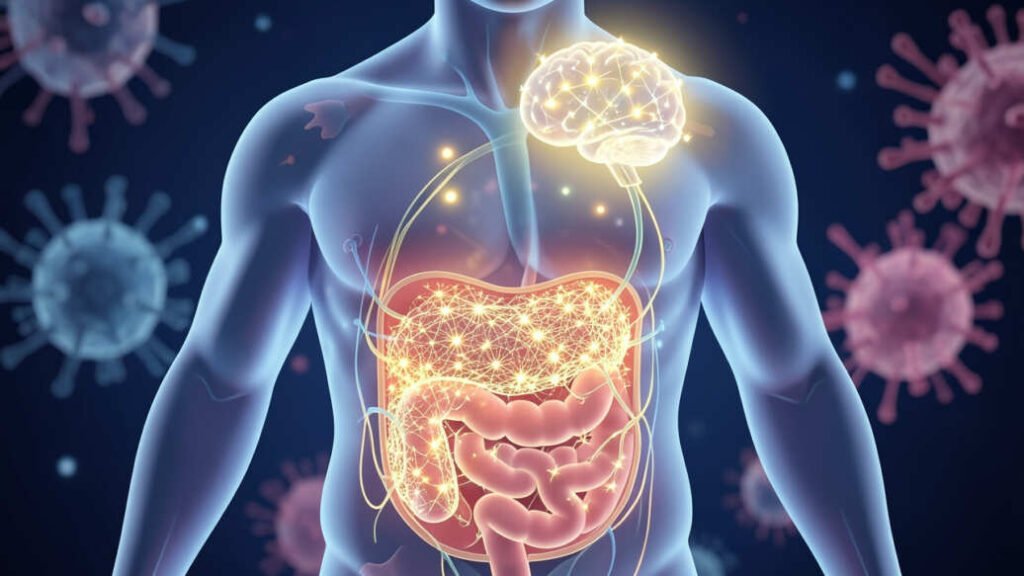
Dietary fibre makes food feel more filling by physically adding volume to meals, slowing the rate of stomach emptying, and stimulating the release of appetite-regulating hormones. This combination creates a prolonged sensation of fullness, or satiety, which can help manage hunger and reduce overall calorie intake. The primary mechanism involves fibre's ability to increase meal bulk and delay digestion, providing a direct and effective strategy for appetite control.
Why can fibre make food feel more filling? This is a key question for anyone looking to manage their appetite and improve their diet. The sensation of fullness, or satiety, is a complex process, and dietary fibre plays a leading role. Understanding the mechanisms behind this effect can empower you to build more satisfying meals and support your overall health goals.
This guide breaks down the science in simple terms.
We will explore the different types of fibre, how they work in your digestive system, and the specific biological signals they trigger. You will learn practical ways to incorporate more fibre into your meals to stay fuller for longer. The evidence shows that fibre is not just good for digestion; it is a powerful tool for appetite control.
Simply put, fibre increases satiety because it physically adds bulk to food without adding calories, slows down stomach emptying, and feeds beneficial gut bacteria that produce appetite-regulating hormones.
Key Takeaways
- Dietary fibre adds volume to meals, creating a physical sense of fullness in the stomach.
- It significantly slows gastric emptying, meaning food stays in your stomach longer, prolonging the feeling of satisfaction.
- Fibre, especially soluble types, ferments in the gut, producing short-chain fatty acids and influencing hormones like GLP-1 that signal fullness to your brain.
- Including high-fibre foods like legumes, whole grains, fruits, and vegetables in every meal is a proven strategy for appetite control.
- The recommended daily fibre intake is around 25-30 grams, yet most people consume far less than this amount.
What is Dietary Fibre?
Dietary fibre refers to the parts of plant-based foods that your body cannot digest or absorb. Unlike other carbohydrates such as starch and sugar, fibre passes relatively intact through your stomach, small intestine, and colon. It is not a single substance but a category of complex carbohydrates with different structures and functions.
Think of fibre as the structural framework of plants. It provides rigidity to cell walls in fruits, vegetables, grains, and legumes. When you eat these foods, you consume this indigestible matrix.
Its lack of digestibility is precisely what makes it so impactful for your digestive health and feelings of fullness.
| Type of Fibre | How It Works | Key Sources |
|---|---|---|
| Soluble Fibre | Dissolves in water to form a gel-like substance in the digestive tract. | Oats, barley, apples, citrus fruits, beans, lentils, psyllium. |
| Insoluble Fibre | Does not dissolve in water. It adds bulk to stool and helps food pass more quickly through the stomach and intestines. | Whole wheat, wheat bran, nuts, seeds, cauliflower, green beans, potatoes. |
| Resistant Starch | Resists digestion in the small intestine and ferments in the large intestine, acting like a soluble fibre. | Cooked and cooled potatoes, green bananas, legumes, whole grains. |
| Prebiotic Fibre | A non-digestible type of fibre that selectively feeds beneficial gut bacteria. | Chicory root, garlic, onions, leeks, asparagus, bananas, oats. |
This distinction is important because both types contribute to fullness, but they do so through different primary mechanisms. Most plant foods contain a mixture of both soluble and insoluble fibre.
How Does Fibre Physically Contribute to Fullness?
The most direct way fibre promotes satiety is through its physical presence. Because it cannot be broken down by human digestive enzymes, it adds significant bulk to your food. This bulk takes up space in your stomach, stretching the stomach walls.
These stretch receptors send immediate signals to your brain via the vagus nerve, indicating that the stomach is full.
This is a volume-based signal. A high-fibre meal will occupy more space in your stomach than a low-fibre, calorie-dense meal. For example, a large salad with beans will feel much more substantial in your stomach than a small pastry with the same number of calories.
This physical distension is a powerful and immediate first step in the satiety process.
Warning: Simply taking a fibre supplement without adequate water can lead to bloating, gas, and even intestinal blockage. Fibre needs water to work effectively and safely.
- Stomach Stretching: Physical expansion of the stomach activates satiety centres in the brainstem.
- Increased Chewing Time: Fibre-rich foods often require more chewing, which slows down eating and gives your brain time to register fullness signals.
- Food Matrix Effect: Fibre is embedded in a complex plant food matrix, which further slows its breakdown and the release of nutrients.
How Does Fibre Slow Down Digestion for Lasting Satiety?
After filling the stomach, fibre’s next major effect is slowing down the rate at which food leaves the stomach—a process called gastric emptying. Soluble fibre, in particular, forms a viscous, gel-like solution when mixed with water. This gel coats food particles and significantly increases the thickness of the stomach contents.
Thicker stomach contents empty much more slowly into the small intestine. This delay means that the nutrients from your meal are released gradually into the bloodstream, preventing rapid spikes and crashes in blood sugar. More importantly for appetite control, it prolongs the time your stomach remains distended, extending the feeling of fullness for hours after eating.
| Meal Type | Approximate Stomach Emptying Time | Impact on Satiety |
|---|---|---|
| Low-fibre, refined carb meal (e.g., white bread, sugary drink) | 1-2 hours | Short-lived. Rapid nutrient absorption leads to quick return of hunger. |
| Moderate-fibre meal (e.g., grilled chicken with rice) | 3-4 hours | Moderate duration of fullness. |
| High-fibre meal (e.g., lentil soup with whole grain bread) | 5-6 hours or more | Extended period of reduced appetite and fewer cravings. |
Studies from institutions like the Mayo Clinic confirm that meals high in soluble fibre can increase the time to gastric emptying by 50% or more compared to low-fibre alternatives. This delayed gastric emptying is one of the most critical reasons why fibre-rich foods keep you feeling satisfied longer.
What Role Does the Gut Microbiome Play?
Your large intestine is home to trillions of microorganisms, collectively known as the gut microbiome. A significant portion of the fibre you eat serves as food—prebiotics—for these beneficial bacteria. When gut bacteria ferment dietary fibre, they produce beneficial compounds called short-chain fatty acids (SCFAs), including acetate, propionate, and butyrate.
These SCFAs are not just fuel for colon cells; they are potent signaling molecules. They enter the bloodstream and communicate directly with your body’s appetite regulation systems. SCFAs have been shown to stimulate the release of key satiety hormones from the gut, creating a biochemical signal of fullness that complements the physical stretching of the stomach.
Tip: To maximise the gut-health benefits, include a diverse range of fibre sources. Different bacteria feed on different types of fibre, so variety supports a healthier, more resilient microbiome.
- SCFAs and Hormones: The production of SCFAs, particularly propionate, is directly linked to increased secretion of satiety hormones.
- Microbiome Diversity: A fibre-rich diet promotes a diverse microbiome, which is associated with better metabolic health and appetite regulation.
- Reduced Inflammation: A healthy microbiome fed by fibre helps maintain a healthy gut barrier, reducing systemic inflammation which can disrupt appetite signals.
How Does Fibre Influence Appetite Hormones?
The most compelling science behind fibre’s filling effect lies in its ability to influence gut hormones. When fibre, especially soluble fibre, is fermented by gut bacteria, the resulting SCFAs interact with specialised cells in the lining of your gut. This interaction triggers the release of powerful appetite-regulating hormones.
The two most important hormones in this context are Glucagon-like peptide-1 (GLP-1) and Peptide YY (PYY). Both are released from the lower intestine in response to nutrient arrival and fermentation. GLP-1 slows gastric emptying further and signals fullness to the brain.
PYY is a potent appetite suppressant that reduces feelings of hunger.
- Meal Consumption: You eat a meal rich in soluble fibre (e.g., beans, oats).
- Gastric Delay: The fibre forms a gel, slowing the meal’s movement from the stomach.
- Fermentation: In the colon, bacteria ferment the fibre, producing SCFAs.
- Hormone Release: SCFAs stimulate L-cells in the gut lining to secrete GLP-1 and PYY.
- Brain Signal: These hormones travel through the bloodstream, act on the brain’s appetite centres, and communicate profound satiety, reducing your desire to eat.
Research published in the journal Nutrients highlights that fibre-induced GLP-1 release can reduce subsequent food intake by 10-15% at the next meal. This hormonal effect is delayed but powerful, explaining why a fibre-rich lunch can keep you satisfied well into the afternoon without snacking.
Why Does Fibre Help With Blood Sugar Control and Cravings?
Beyond direct satiety signals, fibre plays a critical role in stabilising blood glucose levels, which indirectly prevents hunger and cravings. When you eat carbohydrates, they are broken down into glucose. A rapid spike in blood sugar is followed by a large insulin response, which can cause blood sugar to crash below baseline levels, triggering intense hunger and cravings for sugary foods.
Fibre, particularly soluble fibre, acts as a brake on this process. The gel it forms physically slows the access of digestive enzymes to carbohydrates, slowing the rate of glucose absorption into the bloodstream. This results in a more gradual, blunted rise in blood sugar and a more controlled insulin response.
The result is a steady supply of energy without the crash.
| Effect on Blood Sugar | Without Adequate Fibre | With Adequate Fibre |
|---|---|---|
| Speed of Glucose Absorption | Fast, leading to a sharp spike. | Slow and gradual, leading to a gentle rise. |
| Insulin Response | Large and rapid, often overshooting. | Moderate and proportional. |
| Post-Meal Blood Sugar Level | Prone to a rapid crash below baseline. | Stays within a healthy, stable range. |
| Impact on Hunger | Increased hunger and cravings 1-2 hours later. | Sustained energy and reduced cravings. |
By preventing this blood sugar rollercoaster, fibre helps eliminate the cycle of reactive hunger that leads to overeating and poor food choices. According to the American Diabetes Association, managing blood sugar through diet, including adequate fibre, is a cornerstone of appetite control for everyone, not just those with diabetes.
How Can You Strategically Increase Your Fibre Intake?
Knowing the benefits is one thing; putting them into practice is another. The key is to increase your fibre intake gradually and strategically to avoid digestive discomfort like gas and bloating. The goal is to build a consistent habit that makes high-fibre eating an automatic part of your lifestyle.
Focus on incorporating whole, plant-based foods into every meal. Do not rely solely on supplements. The matrix of whole foods provides additional nutrients and synergistic effects that isolated fibre powders cannot match.
Start with small changes and build from there over several weeks.
- Breakfast Upgrade: Switch from refined cereal to oatmeal or a bran-based cereal. Add berries and a tablespoon of chia seeds or ground flaxseed.
- Lunch & Dinner Foundation: Make half your plate non-starchy vegetables. Choose whole grains like quinoa, brown rice, or farro instead of white rice or pasta.
- Smart Snacking: Reach for an apple with almond butter, a handful of nuts, carrot sticks with hummus, or a small bowl of edamame.
- Legume Power: Add beans, lentils, or chickpeas to salads, soups, stews, and even pasta sauces. They are fibre and protein powerhouses.
- Hydration is Key: Drink plenty of water throughout the day. Fibre needs fluid to work properly and move through your digestive system comfortably.
Important: The current recommended daily fibre intake is 25 grams for women and 38 grams for men. However, surveys show the average intake is only around 15 grams per day. Most people have significant room for improvement.
What Are the Common Mistakes When Increasing Fibre?
As you work to include more fibre, be aware of some common pitfalls that can undermine your efforts or cause discomfort. Avoiding these mistakes will make your transition smoother and more effective. The primary errors relate to speed, hydration, and the source of your fibre.
The biggest mistake is making a drastic, overnight change. Your gut microbiome needs time to adapt to a higher fibre load. Introducing too much, too quickly is the leading cause of bloating, gas, and abdominal cramps.
Patience and a gradual approach are essential for long-term success.
- Inadequate Water Intake: Fibre absorbs water. Without enough fluid, it can cause constipation and discomfort rather than promoting healthy digestion.
- Relying on Supplements Alone: Fibre supplements (like psyllium husk) can be useful but miss out on the vitamins, minerals, and phytonutrients in whole foods.
- Ignoring Soluble vs. Insoluble Fibre: For maximum satiety benefits, focus on foods rich in soluble fibre (oats, legumes, apples) while still including insoluble sources.
- Overlooking Processed “High-Fibre” Foods: Some packaged snacks and bars are high in added sugars or refined grains despite their fibre claims. Always read labels and prioritise whole foods.
- Forgetting to Readjust Portion Sizes: High-fibre foods are more filling. You may need to adjust portion sizes slightly as your body adapts to feel comfortably full, not stuffed.
Frequently Asked Questions
Does cooking destroy the fibre in food?
No, cooking does not destroy dietary fibre. Fibre is very stable and retains its structure through most cooking methods. However, cooking can soften the cell walls of plants, which may make the fibre easier to digest for some people.
The total fibre content remains largely unchanged.
Can you eat too much fibre?
Yes, excessively high fibre intake, especially if increased too rapidly, can lead to digestive issues like bloating, gas, abdominal pain, and constipation. It can also interfere with the absorption of certain minerals like iron, zinc, and calcium in very large amounts. The key is balance and gradual increase to your personal tolerance.
Is fibre in supplements as effective as fibre from food?
Whole foods are generally more effective for promoting satiety because they provide a complex matrix of fibre, water, and other nutrients that work together. Supplements can help if dietary intake is insufficient, but they do not replicate the full benefits of eating high-fibre foods like vegetables, fruits, and legumes.
Why do some high-fibre foods still leave me hungry soon after?
This can happen if the high-fibre food is low in protein and healthy fats, or if it is a processed “high-fibre” product with added sugars. For optimal satiety, combine fibre sources with protein (like adding Greek yogurt to berries) and healthy fats (like adding avocado to whole-grain toast). The combination of fibre, protein, and fat provides the strongest and longest-lasting feeling of fullness.
How long after eating a high-fibre meal will I feel full?
You may feel an initial sense of fullness soon after eating due to stomach stretching. However, the sustained, deep satiety from fibre’s effects on gastric emptying and hormone release typically peaks 2-4 hours after a meal and can last for several hours, significantly reducing the urge to snack between meals.
Final Thoughts
The reasons fibre makes food feel more filling are multifaceted, involving both simple physical mechanics and complex hormonal signalling. By adding bulk, slowing digestion, and feeding your gut microbiome, fibre creates a powerful, lasting sensation of satiety. Making a conscious effort to include more fibre-rich whole foods in your daily diet is one of the most effective strategies for managing appetite, controlling cravings, and supporting long-term health.
Start with small, sustainable changes today to reap these significant benefits.