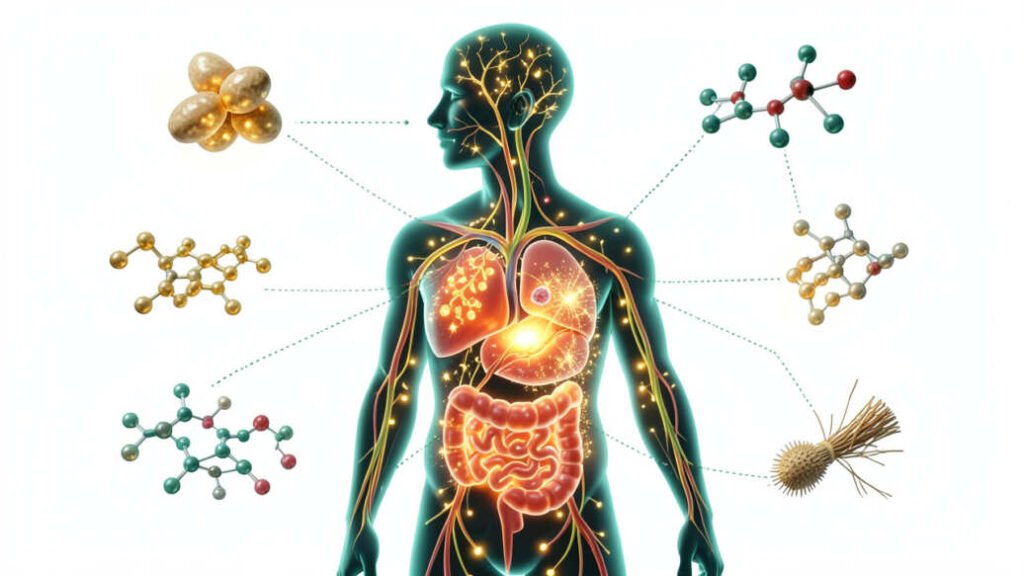
Carbohydrates serve as the human body's primary and preferred source of fuel, providing glucose to power brain function, muscle contractions, and central nervous system activity. Beyond energy, they support critical processes like digestive health through fiber, aid in protein sparing to protect muscle tissue, and help regulate blood sugar levels. The key takeaway is that the type and quality of carbohydrates you consume, such as choosing fiber-rich whole foods over refined sugars, significantly impacts these bodily functions and overall health more than simply counting grams.
Carbohydrates are more than just the nutrient behind bread, pasta, and fruit. They are your body’s main fuel source, and they influence everything from brain power to muscle recovery. This post breaks down what carbohydrates actually do in the human body, how they are digested, and how many you really need each day.
Simply put, carbohydrates are your body’s primary and preferred fuel source. They break down into glucose, which powers your brain, muscles, and organs. Carbs also support digestion through fiber, protect muscle by sparing protein, and help regulate blood sugar. Choosing whole-food carbs over refined ones makes all the difference.
Key Takeaways
- Carbohydrates are the body’s preferred energy source, fueling your brain, muscles, and central nervous system.
- Not all carbs are equal: fiber-rich complex carbs steady blood sugar, while refined sugars spike it.
- You do not have to cut carbs to lose weight; choosing the right types and amounts matters far more.
- Even low-carb diets rely on carbohydrates in some form, because your body can turn protein and fat into glucose when needed.
What Are Carbohydrates?
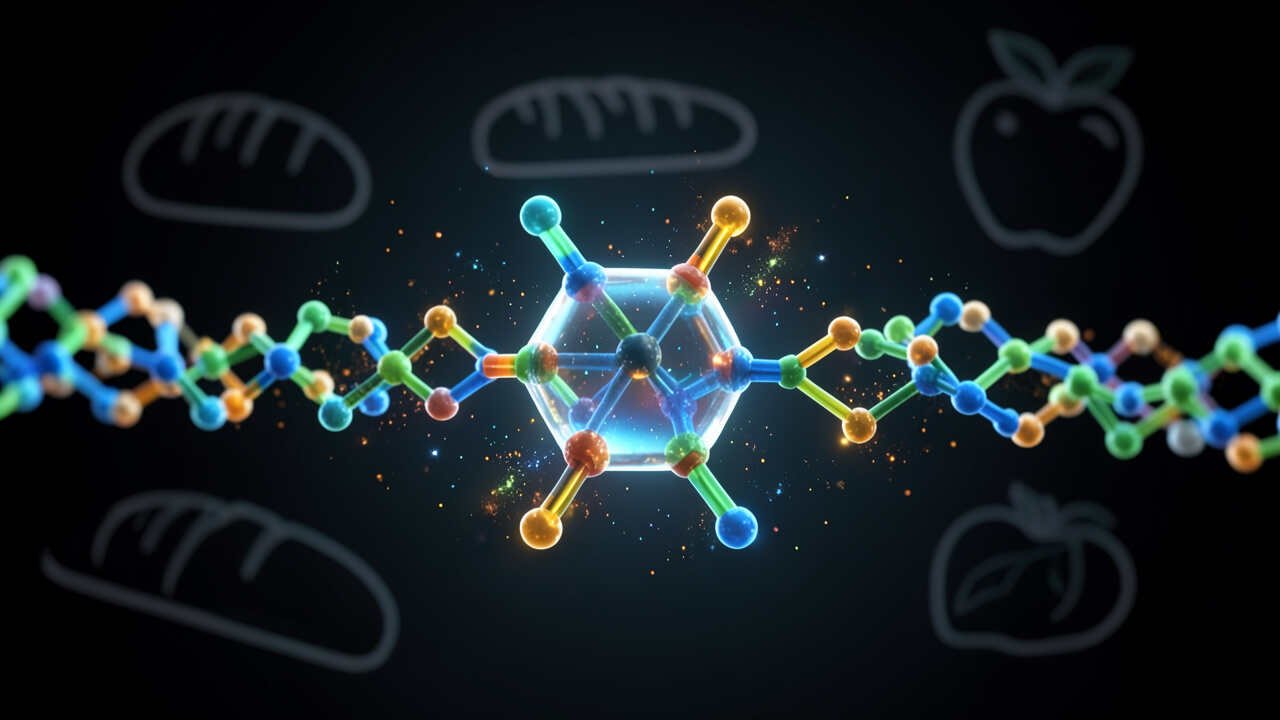
Carbohydrates are one of the three macronutrients your body needs in large amounts, alongside protein and fat. They are found in grains, fruits, vegetables, legumes, nuts, and dairy. From plant starches to milk sugars, carbs show up in almost everything you eat.
Carbohydrates are compounds made of carbon, hydrogen, and oxygen that serve as the body’s primary energy source. When you eat them, your digestive system converts them into glucose, a simple sugar that enters your bloodstream and fuels your cells. The three main forms are sugar, starch, and fiber.
Each type behaves differently in the body, which is why some carbs energize you quickly and others keep you full for hours.
- Sugars: simple carbs found naturally in fruit, dairy, and honey, plus added sugars in processed foods.
- Starches: complex carbs in potatoes, rice, corn, oats, and legumes that take longer to digest.
- Fiber: the indigestible part of plants that never raises blood sugar but feeds your gut bacteria.
- Glycogen: the stored form of glucose in the liver and muscles, used between meals and during exercise.
- Glucose: the final breakdown product and the fuel every cell can use directly.
According to the Dietary Guidelines for Americans, carbohydrates should make up 45 to 65 percent of your total daily calories. For a 2,000-calorie diet, that comes to roughly 225 to 325 grams per day.
How Does the Body Break Down Carbohydrates?
Carb digestion starts the moment you take a bite. Enzymes in your mouth begin working on starches even before you swallow, which is why bread starts to taste sweet if you chew it long enough.
The process continues in the small intestine, where pancreatic enzymes finish the job. Fiber, however, is a different story: your body cannot digest it, so it moves mostly intact through your system.
Here is the step-by-step breakdown:
- Chewing: saliva releases amylase, an enzyme that breaks starch down into maltose, a simple sugar.
- Stomach churning: acid and muscle contractions mix carbs into a paste, though most digestion pauses here.
- Small intestine digestion: pancreatic amylase and intestinal enzymes convert carbohydrates into glucose, fructose, and galactose.
- Absorption: these sugars cross the intestinal lining and enter the bloodstream.
- Insulin response: your pancreas releases insulin, which opens cell doors so glucose can enter for energy.
- Storage: leftover glucose becomes glycogen in the liver and muscles, and any surplus beyond that becomes fat.
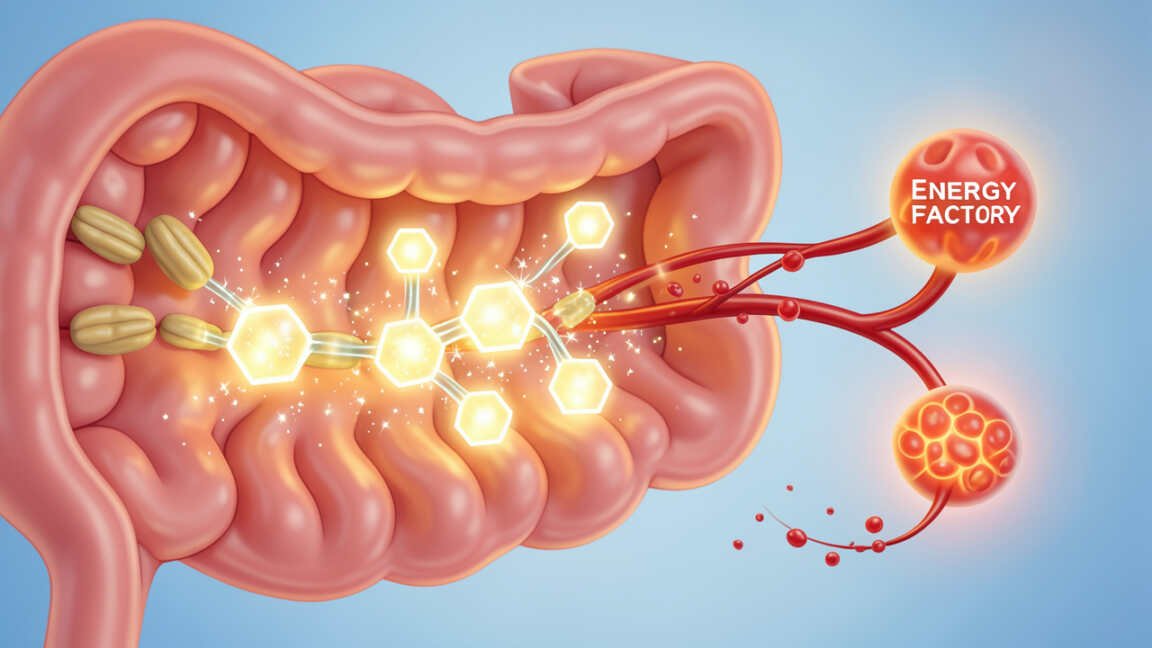
Fiber bypasses this digestion process entirely. Instead, it reaches the colon, where gut bacteria ferment it, producing short-chain fatty acids that feed your cells and support immunity. According to the World Health Organization, a high-fiber diet can lower the risk of heart disease, stroke, and type 2 diabetes.
What Do Carbohydrates Actually Do in Your Body?
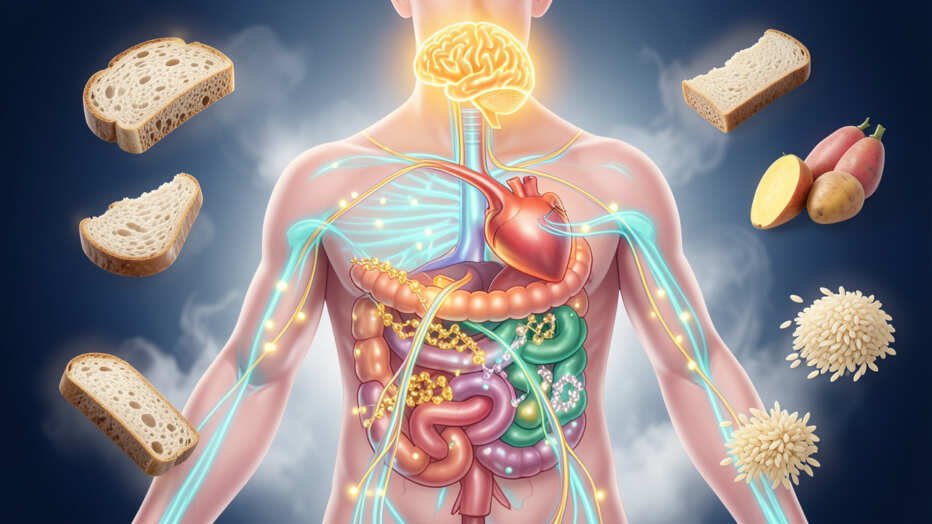
Carbohydrates are not just fuel. They are active participants in nearly every system that keeps you alive. Here is what carbohydrates actually do once they reach your cells.
The most obvious job is energy production. Glucose enters the cell’s mitochondria and powers cellular respiration, producing ATP, the molecule your body spends all day for everything from blinking to sprinting.
Your brain is especially dependent on carbohydrates. The human brain uses roughly 130 grams of glucose per day according to the National Institute of Neurological Disorders and Stroke, even though it makes up only about 2 percent of your body weight.
| Function | What Carbs Do | What Happens Without Them |
|---|---|---|
| Energy | Glucose drives cellular respiration | Fatigue, weakness, poor performance |
| Brain function | Glucose powers focus and memory | Brain fog, irritability, poor concentration |
| Muscle preservation | Spares protein from being burned as fuel | Muscle loss over time |
| Gut health | Fiber feeds beneficial bacteria | Constipation, weaker immunity |
| Fat metabolism | Helps the body fully break down fat | Ketone buildup, fruity breath |
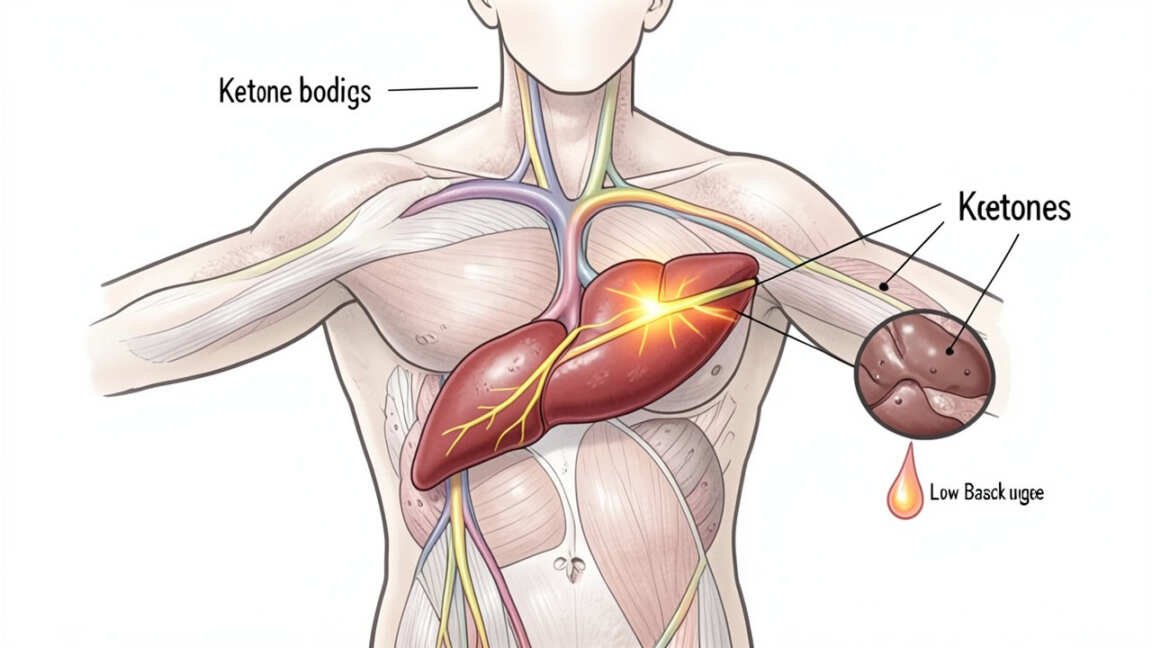
Carbohydrates also regulate fat metabolism. Without enough glucose, your liver shifts to burning fat for fuel and produces ketones. That is the basis of ketogenic diets, but for most people it comes with side effects like fatigue and bad breath.
What Are the Differences Between Simple and Complex Carbs?
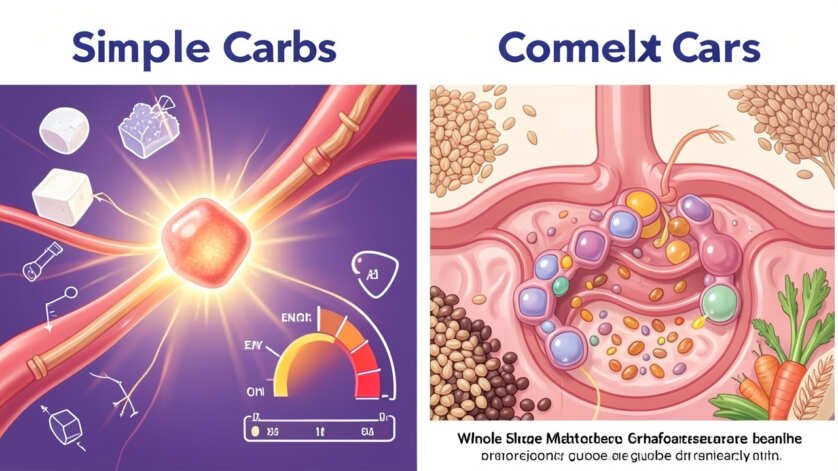
Not all carbohydrates behave the same way. Simple carbs hit your bloodstream fast, while complex carbs release energy gradually. Knowing the difference is the key to steady energy and stable blood sugar.
Simple carbohydrates consist of one or two sugar molecules. Fructose from fruit, lactose from milk, and table sugar are all examples. Complex carbohydrates are long chains of sugars linked together, like the starch in oats and the fiber in broccoli.
| Feature | Simple Carbs | Complex Carbs |
|---|---|---|
| Structure | 1 to 2 sugar molecules | Long chains of sugars |
| Digestion speed | Fast | Slow |
| Blood sugar effect | Rapid spike | Gradual rise |
| Fiber content | Low | High |
| Examples | Soda, candy, fruit, milk | Oats, brown rice, beans, vegetables |
| Satiety | Low | High |
Processing matters just as much as structure. A whole orange contains fiber that slows sugar absorption, while orange juice removes that fiber and spikes blood sugar quickly. The glycemic index, or GI, ranks foods by how quickly they raise blood sugar.
Low-GI foods like oats and lentils beat high-GI foods like white bread for sustained energy.
Warning: The American Heart Association recommends limiting added sugar to no more than 6 teaspoons (100 calories) per day for women and 9 teaspoons (150 calories) per day for men. Most Americans consume nearly triple that amount.
What Do Carbohydrates Do When You Eat Too Few?
Cutting carbs below a certain level forces your body into a backup plan. When glucose runs low, the liver starts converting stored fat into ketones, which can be used as an alternative fuel. This metabolic state is called ketosis.
For some people, low-carb eating is an effective weight-loss tool. But it is not side-effect-free, especially during the transition phase.
- Fatigue and weakness: muscles lose their preferred fuel for movement.
- Brain fog: glucose is the brain’s main energy source.
- Constipation: many carb-rich foods are also fiber-rich foods.
- Bad breath: a byproduct of ketone production.
- Athletic performance drops: high-intensity exercise depends heavily on glycogen.
- Nutrient gaps: cutting carbs often means cutting vitamins and minerals.
Warning: Low-carb diets can be dangerous for people with diabetes, pregnant women, and anyone with kidney disease. Always check with a doctor or registered dietitian before making a major diet change.
The CDC reports that more than 34 million Americans live with diabetes, and for them, carb counting is not a choice, it is a medical necessity. Even for healthy people, severe carb restriction is rarely sustainable long term.

How Many Carbohydrates Do You Actually Need Per Day?
There is no single carb number that fits everyone. Your needs depend on your age, sex, activity level, and goals. That said, established guidelines give you a solid starting point.
The Dietary Guidelines for Americans recommend that 45 to 65 percent of your daily calories come from carbohydrates. For a 2,000-calorie diet, that translates to 225 to 325 grams per day.
| Activity Level | Daily Carb Range | Example |
|---|---|---|
| Sedentary | 200 to 250 grams | Office worker, light daily walking |
| Moderately active | 250 to 350 grams | 30 minutes of exercise most days |
| Athlete / very active | 350 to 500+ grams | Daily training or intense physical work |
Here is how to calculate your own target in four quick steps:
- Find your calorie target using a reputable online calculator or a dietitian.
- Multiply your calories by 0.5 to get the lower end of carb calories.
- Multiply your calories by 0.65 to get the upper end.
- Divide each number by 4, because carbs provide 4 calories per gram.
Important: Athletes and active adults may need more carbs, not fewer. The Academy of Nutrition and Dietetics recommends 3 to 5 grams of carbs per pound of body weight per day for people training regularly.
What Are the Best Food Sources of Carbohydrates?
It matters less whether you eat carbs, and more which carbs you choose. The healthiest sources come from whole plants that bring fiber, vitamins, and antioxidants along with their energy.
Refined carbohydrates like white bread and sugary cereals have most of their fiber and nutrients stripped away. They digest quickly, spike blood sugar, and leave you hungry an hour later. Intact whole grains keep all their parts and digest much more slowly.
- Whole grains: oats, quinoa, brown rice, barley, farro, and whole wheat.
- Legumes: lentils, chickpeas, black beans, and kidney beans.
- Vegetables: sweet potatoes, corn, squash, carrots, and leafy greens.
- Fruit: