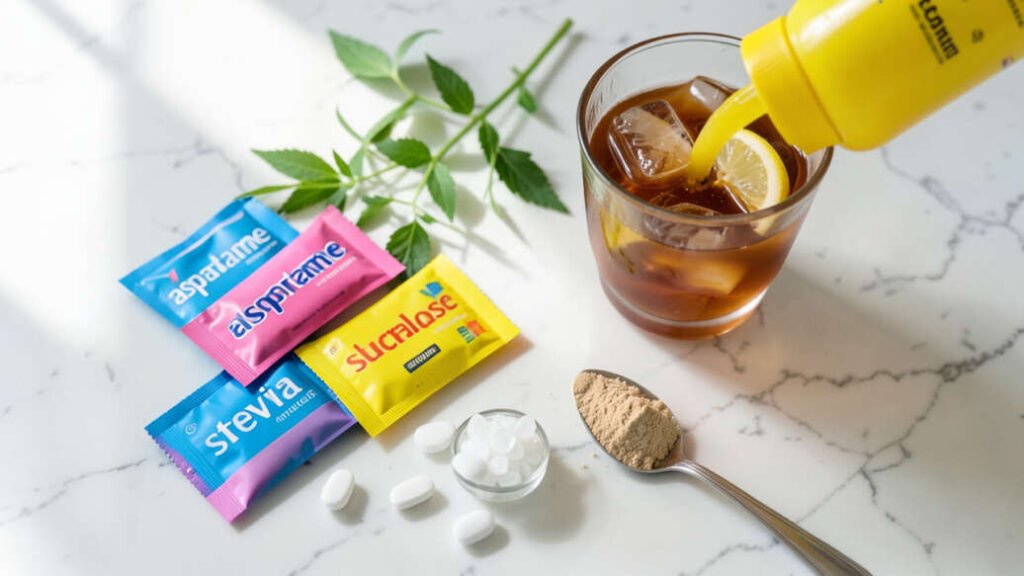
Artificial and low-calorie sweeteners are sugar substitutes that provide a sweet taste with few or no calories, helping to reduce sugar intake. They mimic sugar's sweetness, often at much higher concentrations, to help manage blood sugar levels and support weight control without adding significant calories. Most are FDA-approved and considered safe for daily use within established acceptable intake limits, making them a practical tool for reducing added sugars.
Artificial and low-calorie sweeteners are sugar substitutes that provide a sweet taste with few or no calories. These sweeteners help you cut sugar intake while still enjoying sweeter foods and drinks, and this guide covers how they work, which types exist, and how to choose the best one.
Simply put, artificial and low-calorie sweeteners mimic the sweetness of sugar without the same caloric impact. Some are hundreds of times sweeter than sugar, so you need only a tiny amount. They help manage blood sugar, support weight control, and reduce added sugar consumption when used sensibly.
Key Takeaways
- Artificial and low-calorie sweeteners offer a sugar-like taste with minimal calories, making them useful for weight management.
- There are several types, including aspartame, sucralose, stevia, and monk fruit, each with different sweetness levels and heat stability.
- Low-calorie sweeteners are approved by regulatory bodies like the FDA and are safe for most people when consumed within acceptable daily intake limits.
- They can support blood sugar control, but whole foods and balanced habits still matter most for long-term health.
What Are Artificial and Low-Calorie Sweeteners?
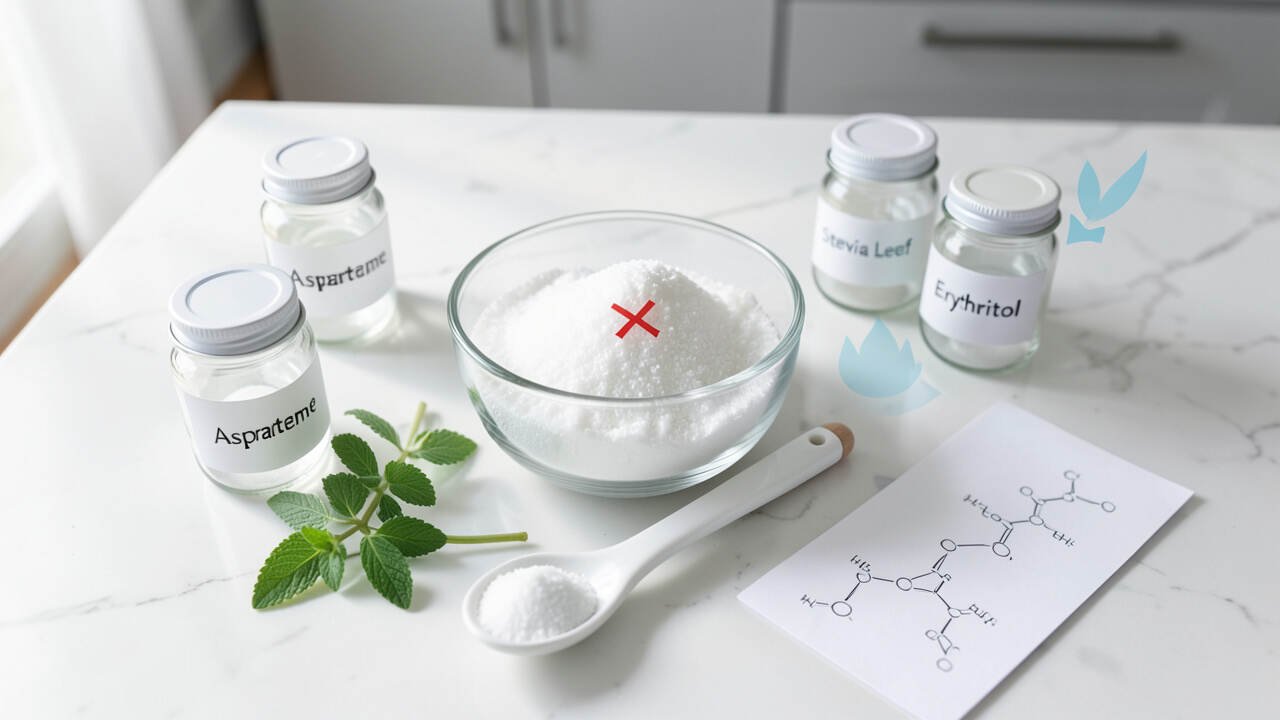
Artificial and low-calorie sweeteners are compounds that activate the sweet taste receptors on your tongue. They deliver a flavor profile similar to sugar, but your body either does not metabolize them fully or requires such a tiny amount that the calorie contribution becomes negligible.
These sweeteners fall into two broad categories. Artificial sweeteners are synthetically produced, like aspartame and saccharin. Low-calorie sweeteners can also come from natural sources, such as stevia leaf extract and monk fruit, and they offer sweetness with fewer calories than traditional sugar.
You encounter these sweeteners daily without realizing it. Diet sodas, sugar-free gum, protein bars, flavored yogurt, salad dressings, and even some medications use them to improve taste without loading up on sugar.
- They contain zero to four calories per serving, compared to 16 calories per teaspoon of table sugar.
- Some are 200 to 600 times sweeter than sugar, so manufacturers use tiny amounts.
- Most do not spike blood sugar levels, which helps people with diabetes.
- They do not promote tooth decay because oral bacteria cannot ferment them.
- They provide flexibility for bakers and food manufacturers to create reduced-sugar products.
- The FDA regulates them as food additives under strict safety guidelines.
- Their sweetness profile can differ slightly from sugar, sometimes with a bitter or cooling aftertaste.
| Sweetener | Source | Calories per serving |
|---|---|---|
| Aspartame | Synthetic | 4 |
| Sucralose | Synthetic | 0 |
| Stevia | Natural plant | 0 |
| Monk fruit | Natural fruit | 0 |
This table shows that sweetener choices vary by source and calorie content. Understanding these differences helps you pick the right option for your dietary needs.
How Do Artificial Sweeteners Work?
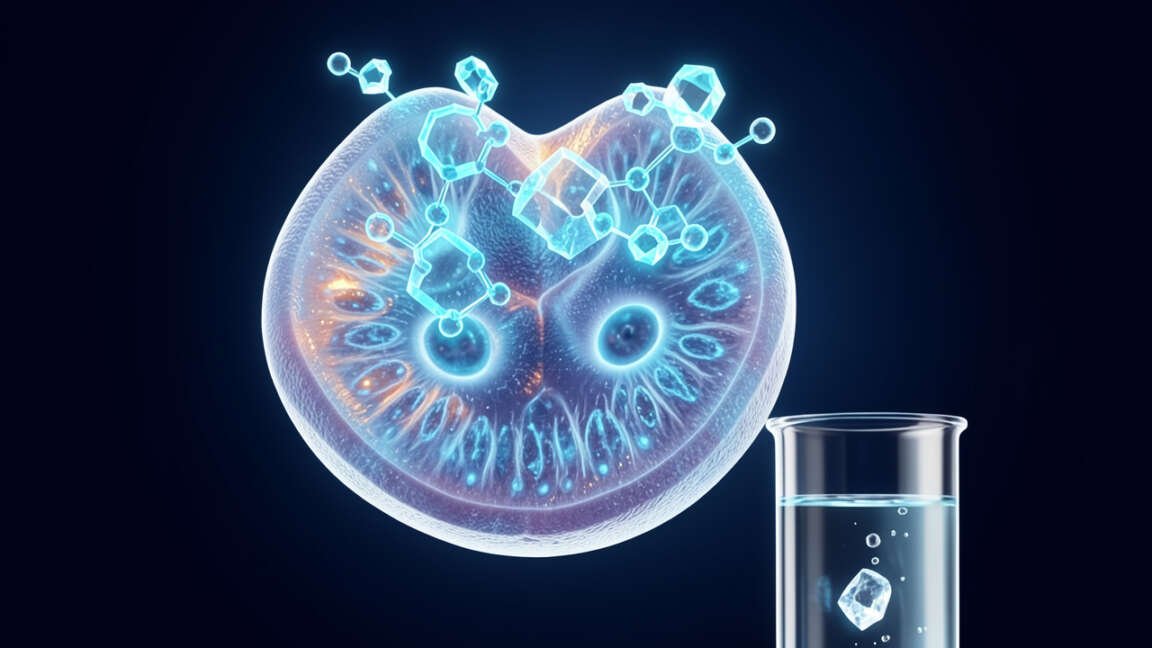
Sweeteners interact with taste receptors on your tongue in a specific way. When you eat sugar, the molecule binds to receptor proteins, which sends a signal to your brain that says “sweet.” Artificial sweeteners bind to the same receptors, but because they are structured differently, your body does not fully break them down for energy.
The reason these sweeteners are so potent comes down to molecular shape. Sucralose, for example, is made by replacing three hydrogen-oxygen groups on the sugar molecule with chlorine atoms. This alteration makes it about 600 times sweeter than sugar, and your digestive system cannot use it for calories.
Your body handles different sweeteners in different ways. Some pass through the digestive tract largely unchanged. Others get broken down into components like phenylalanine and aspartic acid, which your body processes like any other amino acid.
- You eat or drink a product containing the sweetener.
- The sweetener reaches your taste buds and binds to sweetness receptors.
- A neural signal travels to the brain, which registers the sweet flavor.
- Depending on the compound, your body either partially absorbs or quickly eliminates it.
- Little to no glucose enters the bloodstream, so blood sugar stays stable.
Tip: If you are sensitive to the aftertaste of some artificial sweeteners, try blending a natural option like stevia with monk fruit. Many people find the combination tastes closer to sugar.
The sweetness intensity varies widely across products. This is why you can use a tiny packet of sweetener instead of a full spoon of sugar. Always read serving sizes, because a “serving” of liquid sweetener might be just a few drops.
What Are the Main Types of Artificial Sweeteners?
There are many sweeteners on the market, and each one has a different safety profile, taste, and best use. The most common ones include aspartame, sucralose, saccharin, acesulfame potassium, stevia, and monk fruit extract. Each one has been tested for safety and approved for use in specific food categories.
Artificial sweeteners like aspartame are common in diet sodas and tabletop packets. Sucralose, sold under the brand name Splenda, is popular in baking because it holds up well to heat. Saccharin, found in Sweet’N Low, has been used for over a century.
Acesulfame potassium, often combined with other sweeteners, helps provide a balanced sweetness profile.
Natural low-calorie sweeteners have gained attention in recent years. Stevia comes from the leaves of the Stevia rebaudiana plant, while monk fruit extract comes from the Siraitia grosvenorii fruit. These options appeal to consumers who prefer less processed ingredients.
- Aspartame: Found in Equal and NutraSweet, about 200 times sweeter than sugar, not ideally heat stable
- Sucralose: Brand name Splenda, about 600 times sweeter, excellent for baking
- Saccharin: Brand name Sweet’N Low, about 300 times sweeter, one of the oldest sweeteners
- Acesulfame potassium: Often called Ace-K, good for blending with other sweeteners
- Stevia: Natural origin, zero calories, slightly bitter aftertaste at high amounts
- Monk fruit: Natural origin, contains mogrosides, generally sweeter than stevia
- Erythritol: A sugar alcohol with about 70 percent of sugar’s sweetness, commonly blended with stevia
| Sweetener | Sweetness vs sugar | Best for |
|---|---|---|
| Aspartame | 200x | Cold beverages, tabletop |
| Sucralose | 600x | Baking, cooking |
| Stevia | 200-300x | Hot drinks, baking blends |
| Monk fruit | 150-250x | Beverages, sauces |
Each sweetener has a unique set of characteristics. Pay attention to the application, because some sweeteners lose their sweetness when heated, while others degrade in acidic environments.
Are Artificial Sweeteners Safe for Daily Use?
Regulatory agencies worldwide have reviewed the safety of artificial and low-calorie sweeteners extensively. The FDA has set acceptable daily intake levels, known as ADI, for each approved sweetener. These levels represent the amount a person can consume daily over a lifetime without risk.
According to the FDA, aspartame’s acceptable daily intake is 50 milligrams per kilogram of body weight. For a person weighing 150 pounds, that amounts to roughly 3,400 milligrams per day, which equals about 18 cans of diet soda. Most people consume far below these limits.
The European Food Safety Authority, or EFSA, has also evaluated these compounds. EFSA concluded that aspartame is safe at current exposure levels and found no reason to change the ADI. Similar reviews by the World Health Organization have reaffirmed the safety of approved sweeteners at normal usage levels.
Warning: People with phenylketonuria, a rare genetic disorder, cannot process phenylalanine found in aspartame. These individuals must strictly avoid products containing it.
- The FDA first approved saccharin in 1958, and it has been studied for over six decades.
- Sucralose has undergone more than 100 safety studies over a 20-year period.
- The National Cancer Institute has found no evidence linking approved sweeteners to cancer in humans.
- The FDA removed saccharin from its list of potential carcinogens in 2000.
- Diabetes associations, such as the American Diabetes Association, support the use of FDA-approved sweeteners.
- The American Heart Association notes that sweeteners may help reduce calorie intake when substituted for sugar.
- The World Health Organization recommends that sweeteners not be used as a strategy for weight control long-term, instead emphasizing whole foods.
Safety depends on moderation and personal health conditions. For the general population, approved sweeteners are a safe way to reduce sugar intake. But they should complement a balanced diet, not replace nutritious foods.
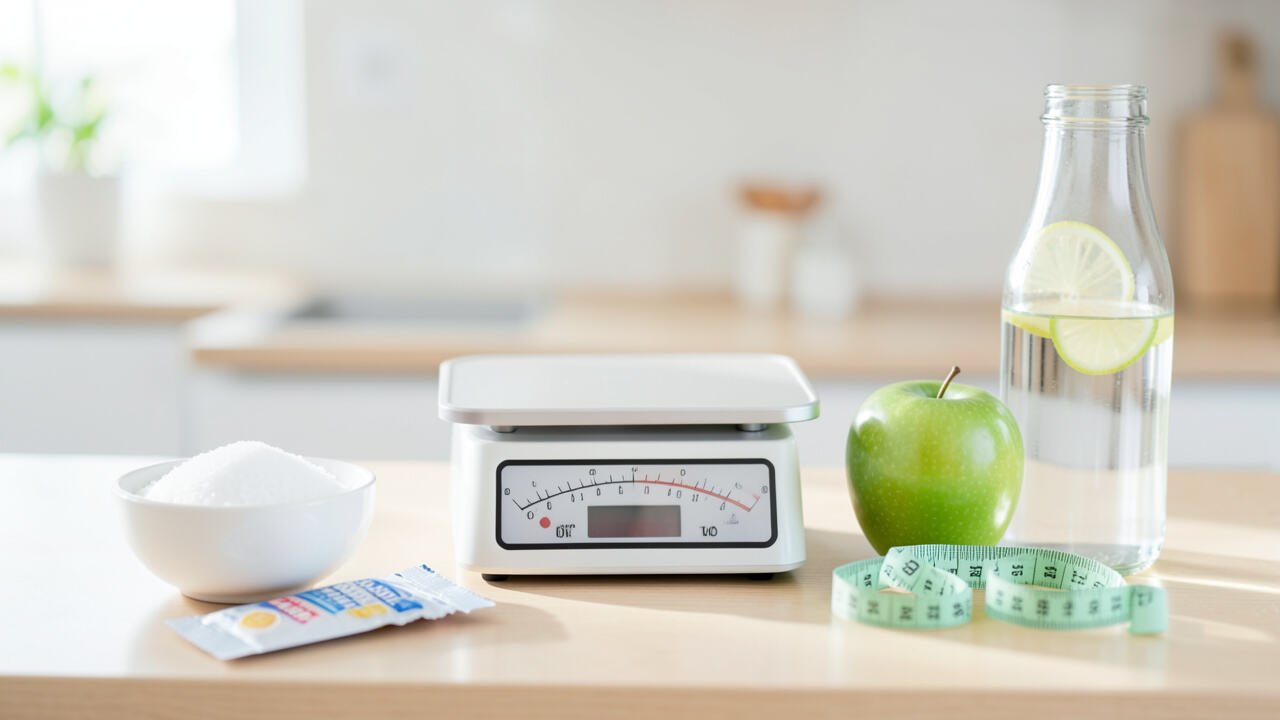
Can Low-Calorie Sweeteners Help You Lose Weight?
The relationship between sweeteners and weight loss is more complex than it seems. On one hand, swapping a regular soda for a diet version cuts about 150 calories, which can create a helpful calorie deficit. Many studies show short-term weight loss when people use these swaps.
However, some observational research suggests that regular consumption of diet drinks is linked to higher body weight over time. This does not mean sweeteners cause weight gain. It may be that people who drink diet beverages also eat more calories elsewhere, or that the sweet taste keeps sugar cravings alive.
The key is how you use them. If you replace sweetened beverages with water or unsweetened tea, that is even better. If you use sweeteners to make healthy foods like oatmeal or plain yogurt more enjoyable, they can be a useful tool.
- Replace one sugary drink per day with a zero-calorie alternative.
- Use liquid sweeteners in coffee or tea instead of sugar.
- Choose plain Greek yogurt and sweeten it lightly with stevia or monk fruit.
- Bake with sugar substitutes to reduce calorie density in treats.
- Track your overall calorie intake, not just sugar calories.
Tip: Use sweeteners as a stepping stone. Gradually reduce sweetness levels over time so your taste buds adapt and you crave less sugar overall.
For weight management, overall dietary patterns matter more than any single ingredient. A can of diet soda is not a problem, but a diet of ultra-processed foods and packaged snacks is. Focus on whole foods, proteins, fiber, and healthy fats first, then use sweeteners strategically.
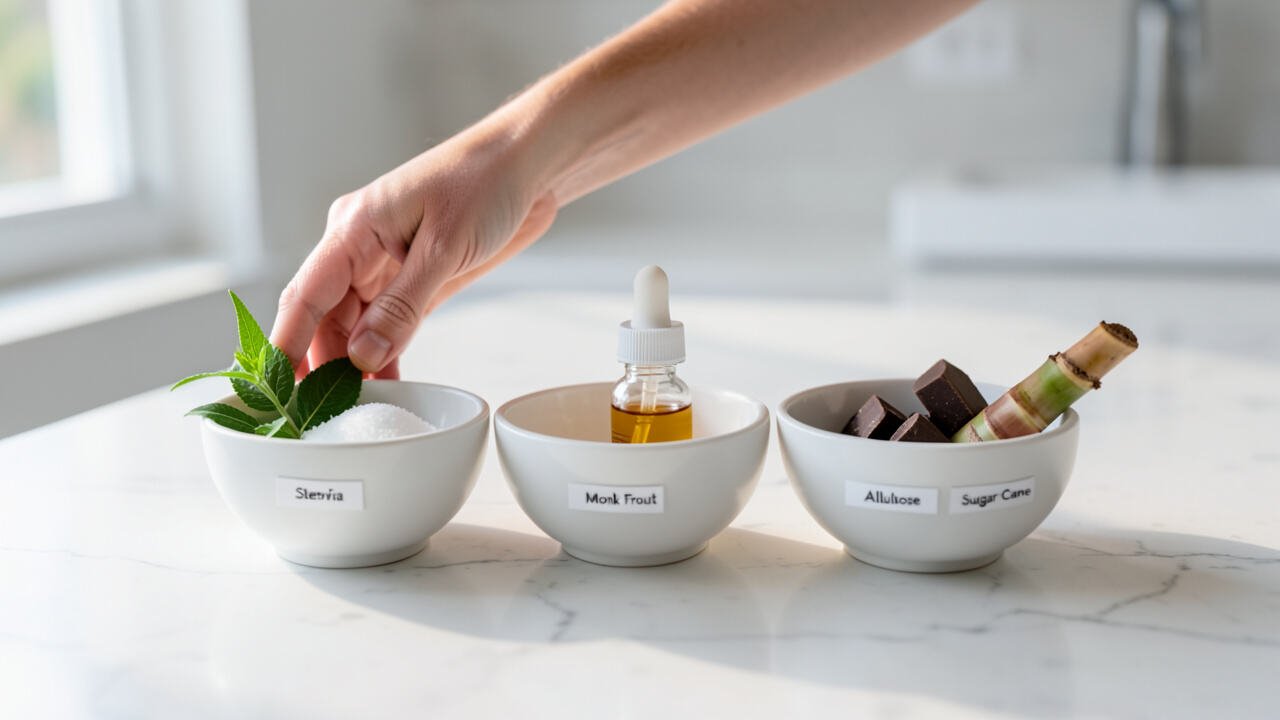
How Do You Choose the Right Sweetener?
Choosing the right artificial and low-calorie sweetener depends on your goals, cooking habits, and taste preferences. If you plan to bake, sucralose and erythritol handle heat well. If you want a natural option, stevia and monk fruit are strong candidates.
Taste plays a big role in this decision. Aspartame has a clean sugar-like taste, but it loses sweetness when heated. Stevia can have a bitter or licorice-like aftertaste at high concentrations.
Monk fruit is often considered the most sugar-like natural sweetener with no bitter finish.
Consider your health goals as well. People with diabetes should look for sweeteners with zero glycemic impact, which includes most options on this list. People wanting a whole-food approach might prefer erythritol or allulose, which occur naturally in small amounts in fruits and fermented foods.
| Need | Best choice | Why it works |
|---|---|---|
| Baking cookies or cakes | Sucralose or erythritol | Heat stable and adds bulk |
| Sweetening coffee | Stevia liquid or monk fruit | Dissolves quickly, zero carbs |
| Making cold beverages | Aspartame or Ace-K blend | Clean taste without aftertaste |
| Natural, whole-food option | Monk fruit or stevia | Plant-based extract, minimal processing |
Try sampler packs before committing to one brand. This lets you compare sweetness levels and aftertaste side by side. Also, start with half the amount you think you need, because sweeteners are potent and easy to overdo.
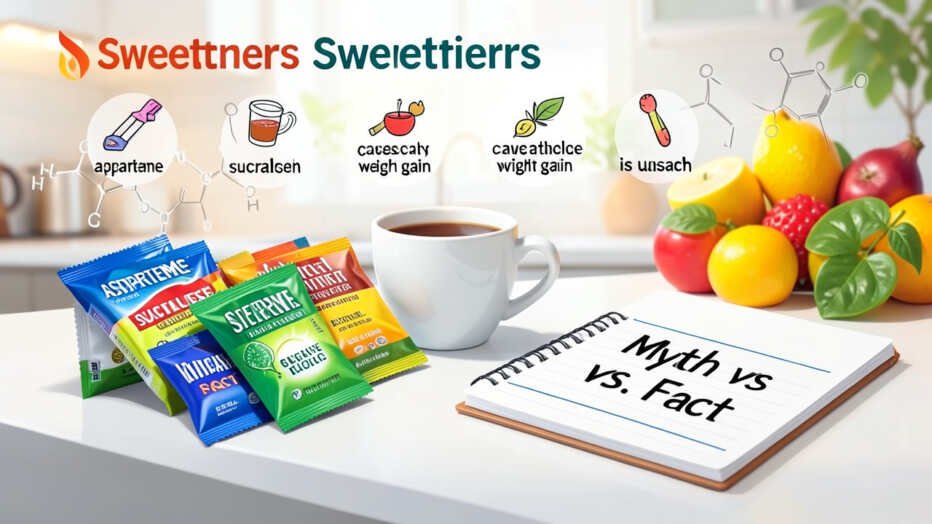
Common Myths About Artificial Sweeteners
Misinformation about artificial and low-calorie sweeteners circulates widely online. Some myths have persisted for decades, even after scientific reviews cleared the ingredients. Let us address the most common ones so you can make confident decisions.
- Myth 1: Sweeteners cause cancer. The National Cancer Institute and FDA have found no convincing evidence that approved sweeteners increase cancer risk in humans at normal intake levels.
- Myth 2: Sweeteners spike insulin. Most non-nutritive sweeteners do not raise blood sugar or insulin because they contain no carbohydrates.
- Myth 3: They are “chemical poisons.” Everything you eat, including water, is made of chemicals. The question is dosage, and approved sweeteners are safe within daily limits.
- Myth 4: Natural sweeteners are always safe in unlimited amounts. Even natural sweeteners like stevia have an ADI, and consuming huge amounts can cause digestive discomfort.
- Myth 5: Sweeteners make you eat more. Research on appetite is mixed, but most controlled studies show that sweeteners can reduce calorie intake compared to sugar.
- Myth 6: Saccharin is banned. Saccharin was delisted as a potential carcinogen in 2000 and remains approved for use in many countries.
- Myth 7: Sugar alcohols are artificial sweeteners. Sugar alcohols like erythritol and xylitol occur naturally in fruits and vegetables and are classified separately.
Important: Always check the full ingredient list. Some products combine sweeteners with sugar or other caloric ingredients, which defeats the purpose of a low-calorie choice.
When evaluating sweetener claims, look for information from reputable health organizations and peer-reviewed studies. If you have specific health conditions, talk to your doctor or a registered dietitian before making big dietary changes.
Frequently Asked Questions
Are artificial sweeteners healthier than sugar?
Artificial sweeteners contain fewer calories and do not spike blood sugar, which makes them a useful alternative for people managing weight or diabetes. However, sugar in small amounts can still fit into a balanced diet. The most nutrient-dense choice is to reduce overall sweetness in your diet rather than rely heavily on substitutes.
What is the safest low-calorie sweetener?
The FDA-approved sweeteners, including aspartame, sucralose, stevia, and monk fruit, are all considered safe at their acceptable daily intake levels. Monk fruit and stevia are often preferred because they come from natural sources with minimal processing. Your choice should align with your health goals and taste preferences.
Do artificial sweeteners cause digestive problems?
Some sweeteners, especially sugar alcohols like erythritol and xylitol, can cause bloating, gas, or diarrhea when consumed in large amounts. Non-nutritive sweeteners like aspartame and sucralose do not typically cause digestive issues at normal intake levels. Start with small amounts to gauge your tolerance.
Can diabetics use artificial sweeteners?
Yes, most artificial and low-calorie sweeteners do not raise blood sugar and are considered safe for people with diabetes. The American Diabetes Association lists several sugar substitutes as acceptable for glucose management. Always read labels, because some sugar-free products still contain other carbohydrates.
Do sweeteners affect gut bacteria?
Some research suggests that certain sweeteners, such as saccharin, may alter the gut microbiome at high doses. Studies are still ongoing, and the results are not conclusive for typical human consumption levels. Eating plenty of fiber and fermented foods supports a healthy gut regardless of sweetener use.
Final Thoughts
Artificial and low-calorie sweeteners are safe, effective tools for cutting sugar intake and managing blood sugar. The key is choosing the right type for your use case, staying within recommended limits, and focusing on an overall nutrient-rich diet. Sweeteners are not magic, but they can make healthier choices more sustainable.
Balance your plate with whole foods, use sweeteners intentionally, and let your taste buds gradually adapt to less sweetness.