September 4, 2026 What Does Protein Do in Your Body? A Complete Guide At a Glance Protein serves as the essential building block for repairing muscle tissue, creating enzymes and hormones,… Read more
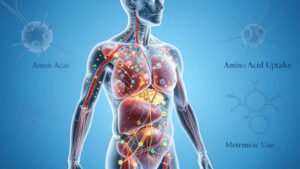
September 4, 2026 What Are Amino Acids and Why Does the Body Need Them? At a Glance Amino acids are organic compounds that serve as the fundamental building blocks of proteins, which… Read more
September 4, 2026 Animal vs Plant Protein: What’s Nutritionally Different? At a Glance Animal versus plant protein primarily differ in amino acid completeness and digestibility, not overall protein… Read more
September 3, 2026 Can the Human Body Store Protein for Later Use? Facts At a Glance The human body cannot store protein for later use in the same way it stores… Read more
September 3, 2026 What Do Carbohydrates Actually Do in the Human Body? At a Glance Carbohydrates serve as the human body's primary and preferred source of fuel, providing glucose to… Read more
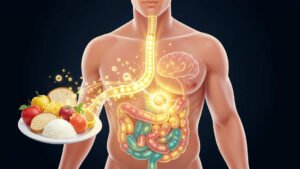
September 3, 2026 What Happens to Carbohydrates After You Eat Them? At a Glance After you eat carbohydrates, your body breaks them down into glucose, which enters your bloodstream… Read more
September 3, 2026 Simple vs Complex Carbohydrates: Real Difference Explained At a Glance Simple carbohydrates consist of one or two sugar molecules that digest quickly, causing rapid blood… Read more
September 3, 2026 Starch, Sugar and Fibre: How Are These Carbohydrates Different? At a Glance Sugar, starch, and fibre are the three main types of carbohydrates, each with a distinct… Read more
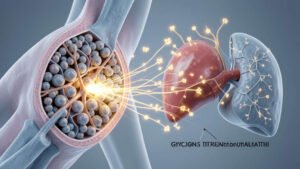
September 3, 2026 What Is Glycogen and How Does the Body Store and Use It? At a Glance Glycogen is the body's primary storage form of glucose, held mainly in the liver and… Read more
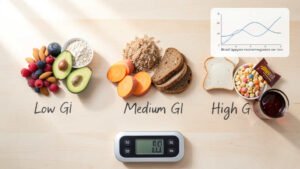
September 3, 2026 What Is the Glycaemic Index and What Does It Measure? At a Glance The glycaemic index measures how quickly carbohydrate-containing foods raise blood sugar levels, ranking them on… Read more