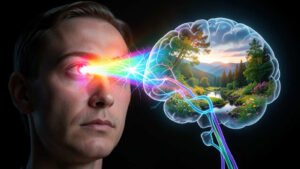
September 5, 2026 How Does the Brain Turn Light Into What You See? At a Glance The brain turns light into what you see by converting photons into electrical signals in… Read more
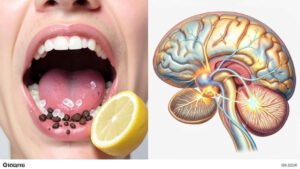
September 5, 2026 Why Are Smell and Taste Closely Connected? Science Explained At a Glance Smell and taste are closely connected because these two senses merge in the brain to… Read more
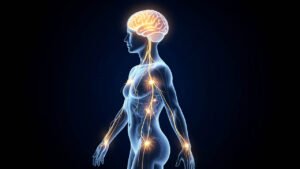
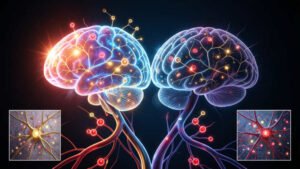
September 5, 2026 How Does the Brain Create a Mental Map of Your Body? At a Glance The brain creates a mental map of your body by integrating signals from touch, proprioception,… Read more
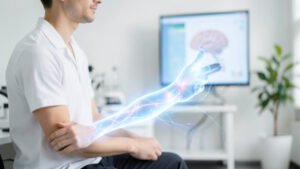
September 5, 2026 Why Can People Feel a Limb That Is No Longer There? The Science At a Glance People feel a limb that is no longer there due to phantom limb sensations, a… Read more
September 5, 2026 Why Are Some People’s Reaction Times Faster Than Others? At a Glance Individuals exhibit different reaction times primarily due to a combination of genetic factors, neural processing… Read more
September 5, 2026 How Does Practice Make Movements Faster and More Automatic? At a Glance Practice makes movements faster and more automatic because each repetition physically strengthens neural pathways and… Read more
September 4, 2026 Why the Brain Needs Constant Oxygen and Glucose Supply At a Glance The human brain requires a constant, uninterrupted supply of oxygen and glucose because it lacks… Read more
September 4, 2026 What Are Nutrients and Why Does the Human Body Need Them? At a Glance Nutrients are essential chemical compounds from food and water that the human body requires for… Read more
September 4, 2026 What Are Calories and What Do They Actually Measure? At a Glance A calorie is a unit of energy that measures the amount of energy your body… Read more
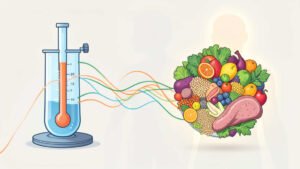
September 4, 2026 How Do Scientists Measure the Energy in Food? Explained At a Glance Scientists measure the energy in food primarily using a bomb calorimeter that burns samples to… Read more