August 19, 2026 Does Food Processing Always Make Food Less Nutritious? At a Glance No, food processing does not always make food less nutritious, as its impact varies significantly… Read more
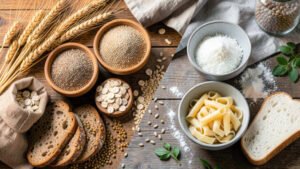
August 19, 2026 Whole Grains vs Refined Grains: Key Differences & Benefits At a Glance Whole grains versus refined grains differ fundamentally in processing and nutritional value, with whole grains… Read more
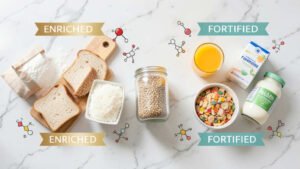
August 18, 2026 Enriched vs Fortified Foods: Key Differences Explained At a Glance Enriched foods restore nutrients removed during processing, while fortified foods introduce additional nutrients not originally… Read more
August 18, 2026 Food Preservatives Explained: How They Keep Food Safe At a Glance Food preservatives are natural or synthetic compounds added to food products to prevent spoilage by… Read more
August 18, 2026 What Are Emulsifiers and Why Are They Added to Food? At a Glance Emulsifiers are food additives that stabilize mixtures of immiscible ingredients like oil and water to… Read more
August 18, 2026 Food Additives Explained: Purpose, Types, and Safety At a Glance Food additives are substances added to food to preserve it, enhance its taste or appearance,… Read more
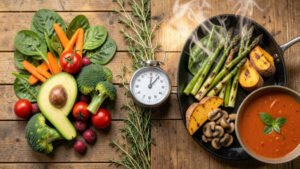
August 18, 2026 Raw vs Cooked Food: Which Has More Nutrients? At a Glance Neither raw nor cooked food is universally more nutritious, as the optimal choice depends on… Read more
August 18, 2026 Boiling Nutrients Cooking Water: Where Do They Go? At a Glance When boiling food, water-soluble nutrients like vitamin C and B vitamins leach out of the… Read more
August 18, 2026 Steaming vs Boiling: How Do They Affect Food Differently? At a Glance Steaming and boiling affect food differently primarily in nutrient retention and texture, with steaming preserving… Read more
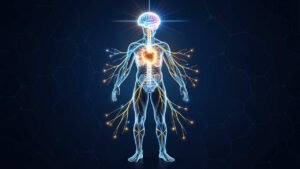
August 17, 2026 How Does the Brain Communicate With the Rest of the Body? At a Glance The brain communicates with the rest of the body primarily through the nervous system and… Read more