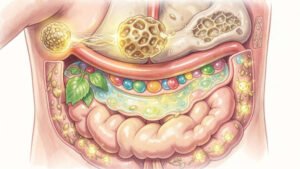
August 23, 2026 How Does Fibre Change Food Movement Through Digestion? At a Glance Dietary fibre changes the way food moves through the digestive system by adding bulk to… Read more
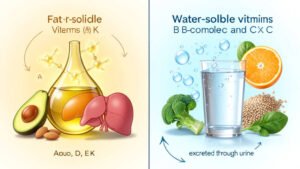
August 23, 2026 Fat-Soluble vs Water-Soluble Vitamins: Key Difference At a Glance Fat-soluble vitamins (A, D, E, K) dissolve in fat and are stored in the liver… Read more
August 22, 2026 Nutrient-Dense Food: What It Means and Why It Matters At a Glance Nutrient-dense food refers to items like spinach, salmon, and blueberries that provide a high concentration… Read more
August 22, 2026 Whole Foods vs Processed Foods: What They Really Mean At a Glance Whole foods versus processed foods refers to the degree of change from a food's native… Read more
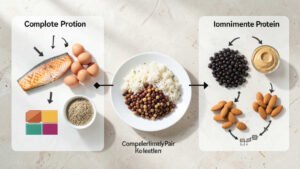
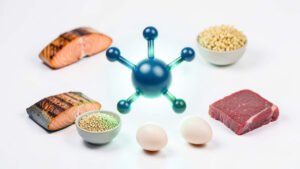
August 22, 2026 Complete vs Incomplete Protein: What Do These Terms Really Mean? At a Glance A complete protein contains all nine essential amino acids your body cannot produce, while an… Read more
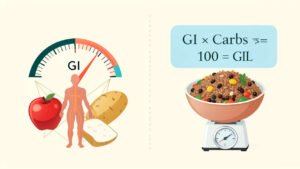
August 22, 2026 Glycaemic Index vs Glycaemic Load: What Is the Difference? At a Glance The key difference between glycaemic index and glycaemic load is that GI ranks carbohydrates by… Read more
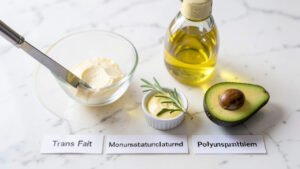
August 22, 2026 What Are Trans Fats? Key Differences From Other Fats At a Glance Trans fats are industrially produced fats created through the partial hydrogenation of vegetable oils, a… Read more
August 22, 2026 Why Can Fibre Make Food Feel More Filling? The Science At a Glance Dietary fibre makes food feel more filling by physically adding volume to meals, slowing the… Read more
August 22, 2026 What Does Vitamin B12 Do and Where Is It Found? At a Glance Vitamin B12 is an essential nutrient that supports nerve function, red blood cell formation, DNA… Read more
August 21, 2026 What Does Vitamin C Actually Do in Your Body? At a Glance Vitamin C is a vital antioxidant and enzyme cofactor that protects cells from damage, synthesizes… Read more