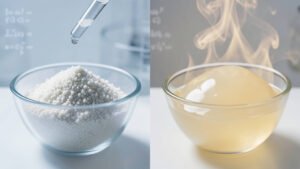
August 30, 2026 What Happens to Starch When Food Is Cooked? At a Glance When food is cooked, starch undergoes gelatinization, where granules absorb water, swell, and soften to… Read more
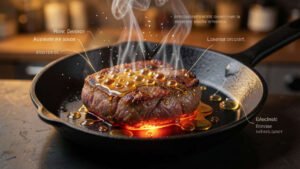
August 30, 2026 What Happens to Fat When Food Is Heated? Science Explained At a Glance When fat is heated, it undergoes a sequence of physical and chemical changes, beginning with… Read more
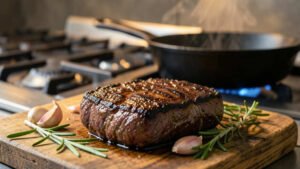
August 30, 2026 Why Does Browning Make Food Taste Better? The Maillard Reaction Explained At a Glance Browning makes food taste better because the Maillard reaction creates complex, savory flavor compounds when… Read more
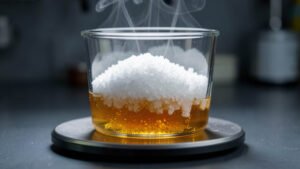
August 29, 2026 Why Does Food Caramelise When Heated? The Science Explained At a Glance Food caramelises when heated because sugars undergo thermal decomposition at high temperatures, typically above 160°C… Read more
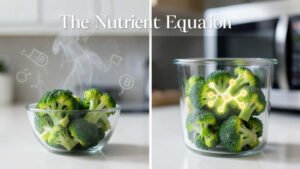
August 29, 2026 Does Microwaving Destroy Nutrients? The Surprising Truth At a Glance Microwaving does not inherently destroy nutrients and is often one of the best cooking methods… Read more
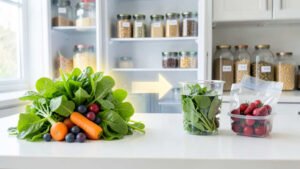
August 29, 2026 Does Food Lose Nutrients During Storage? Facts & Tips At a Glance Yes, food does lose nutrients during storage, and the rate of degradation depends on the… Read more
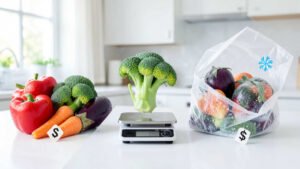
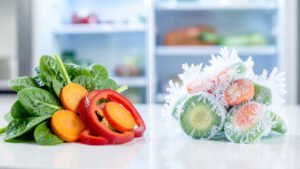
August 29, 2026 Fresh vs Frozen Vegetables: Nutrition, Taste & Cost Compared At a Glance Fresh and frozen vegetables are both nutritionally valuable choices for a healthy diet. However, frozen… Read more
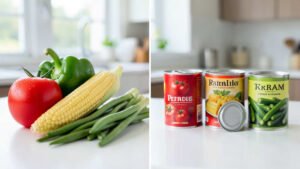
August 29, 2026 Fresh vs Canned Foods: Nutrition Changes Explained At a Glance Fresh vs canned foods differ primarily in how processing alters specific nutrients, with canned produce… Read more
August 29, 2026 Does Freezing Food Destroy Nutrients? The Science Explained At a Glance Freezing food does not destroy most nutrients and is an effective method for preserving the… Read more
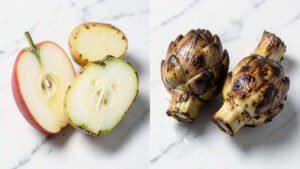
August 29, 2026 Why Do Cut Fruits and Vegetables Turn Brown? Explained At a Glance Cut fruits and vegetables turn brown due to enzymatic browning, a chemical reaction triggered when… Read more