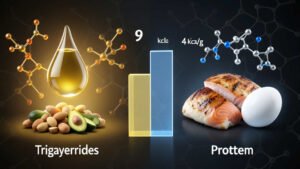
September 2, 2026 Why Does Fat Contain More Calories Per Gram Than Protein? At a Glance Fat contains more calories per gram than protein because its molecular structure consists primarily of… Read more
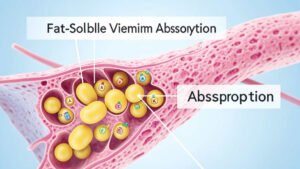
September 2, 2026 Why Do Some Vitamins Need Fat to Be Absorbed? Facts At a Glance Some vitamins need fat to be absorbed because they are fat-soluble, specifically vitamins A, D,… Read more
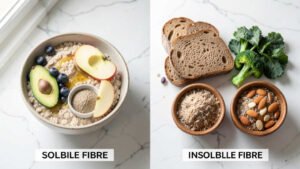
September 1, 2026 Soluble vs Insoluble Fibre: What Is the Difference? At a Glance Soluble fibre dissolves in water to form a gel, slowing digestion to support blood sugar… Read more
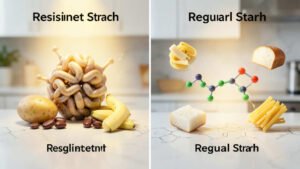
September 1, 2026 What Is Resistant Starch and How It Differs From Regular At a Glance Resistant starch is a carbohydrate that resists digestion in the small intestine and ferments in… Read more
September 1, 2026 Fibre vs Prebiotics: Are They the Same Thing? Explained At a Glance Fibre and prebiotics are not the same thing, as all prebiotics are a specific type… Read more
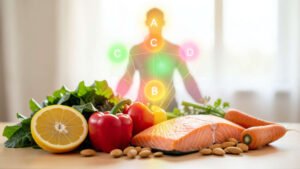
September 1, 2026 What Are Vitamins and Why Does the Body Need Them? At a Glance Vitamins are essential organic nutrients that the body requires in small amounts to perform critical… Read more
September 1, 2026 What Does Vitamin A Do and Where Does It Come From? At a Glance Vitamin A is a fat-soluble nutrient essential for maintaining sharp vision, a robust immune system,… Read more
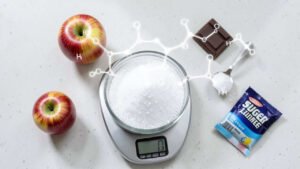
September 1, 2026 Sugar Alcohols Explained: What They Are & Why They’re Used At a Glance Sugar alcohols are reduced-calorie carbohydrate sweeteners derived from sugars, commonly used as alternatives to table… Read more
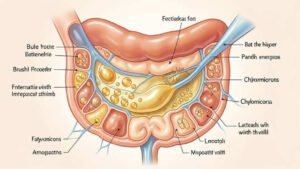
September 1, 2026 How Your Body Digests and Absorbs Dietary Fat At a Glance Dietary fat digestion and absorption primarily occur in the small intestine, where bile emulsifies large… Read more
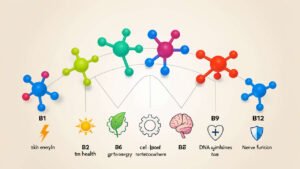
August 31, 2026 The B Vitamins Explained: Why Are There So Many of Them? At a Glance The B vitamin complex consists of eight distinct vitamins because each performs a specialized job… Read more