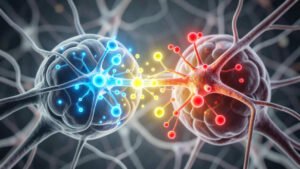
September 6, 2026 What Are Neurotransmitters and What Do They Actually Do? At a Glance Neurotransmitters are endogenous chemical messengers that transmit signals across synapses between neurons and other cells… Read more
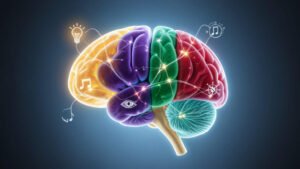
September 6, 2026 What Do the Different Parts of the Human Brain Actually Do? At a Glance The human brain's distinct regions—the cerebrum for thinking and sensation, the cerebellum for movement, and… Read more
September 6, 2026 What Is Neuroplasticity? How the Brain Adapts and Heals At a Glance Neuroplasticity is the brain's inherent ability to physically reorganize itself by forming new neural pathways… Read more
September 6, 2026 How Are Memories Formed, Stored and Recalled in the Brain? At a Glance Memories are formed through a three-stage neural process of encoding, consolidation, and retrieval, managed by… Read more
September 6, 2026 Why Can a Smell Suddenly Bring Back a Strong Memory? At a Glance A smell suddenly brings back a strong memory because the olfactory system has a direct… Read more
September 6, 2026 Why Does Your Brain Miss Things Right in Front of You? At a Glance Your brain often misses things directly in front of you due to a normal filtering… Read more
September 6, 2026 How Does the Brain Decide What Information Is Important? At a Glance The brain decides what information is important through a process called attention selection, where specific… Read more
September 5, 2026 How Does the Brain Turn Senses Into Experience: Explained At a Glance The brain converts sensory inputs into experience through a three-stage process of transduction, transmission, and… Read more
September 5, 2026 How Does the Brain Turn Light Into What You See? At a Glance The brain turns light into what you see by converting photons into electrical signals in… Read more
September 5, 2026 Why Are Smell and Taste Closely Connected? Science Explained At a Glance Smell and taste are closely connected because these two senses merge in the brain to… Read more